

























































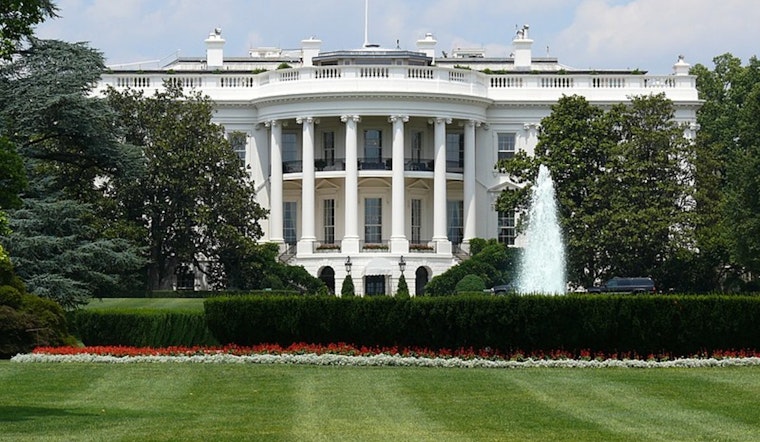
The White House recently hosted its Fourth Annual Tribal Youth Forum, spotlighting the Biden-Harris Administration's continued efforts to engage with Native American communities. On November 15, over 100 Indigenous youth from across the United States convened to discuss pressing issues such as food sovereignty, climate change, mental health, and the plight of missing and murdered Indigenous persons. According to an official readout of the event, the dialogue also centered on the empowerment of youth leadership, the preservation of cultural identities, and the importance of destigmatizing mental illness within their communities.
A key component of the Forum was the opportunity for young participants to directly engage with high-ranking officials. Department of the Interior Secretary Deb Haaland and other senior officials discussed various administration policies and initiatives tailored to address the specific needs and challenges faced by Indigenous communities, as per The White House. In a move to foster further engagement and representation, White House Internship Program Associate Director Jasmin Chavez-Cruz provided an overview of the internships available within the administration, aiming to inspire and open up channels for Native American youth to become actively involved in the policy-making process.
Participants were privy to in-depth insights from a roster of distinguished officials, such as U.S. Department of Agriculture Secretary Tom Vilsack and Assistant Secretary for Indian Affairs Bryan Newland. These interactions are designed not only to educate and inform but also to actively integrate the concerns and aspirations of Indigenous youth into the framework of national policy. Indeed, every effort is being made to ensure that their voices are not only heard but also acted upon as affirmed by Administration for Native Americans Deputy Commissioner Hope MacDonald Lone Tree, who emphasized the importance of "empowering the future leaders of Indian Country," as stated by The White House.





