

























































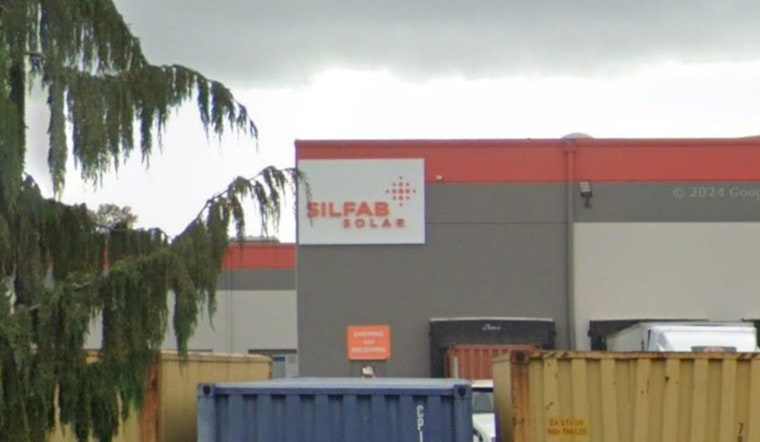
The ongoing legal battle surrounding the Silfab Solar panel manufacturing plant in Fort Mill has yet to see a resolution, with a York County judge now responsible for determining the fate of the facility. The debate centers on whether Silfab should be allowed to operate in an area designated for light industrial use, given the chemicals involved in their operations. Neighbors and activists have expressed concerns, particularly regarding the proximity to local schools, suggesting that the plant requires a heavy industrial zoning designation.
According to coverage by QC News, residents met for a prayer session before a court hearing yesterday, looking for divine intervention in their fight against the plant. Wally Buchanan, a Baptist preacher, and plaintiff in the lawsuit, highlighted his concerns, saying "We love the children," and insisting on the need to "put feet on our prayers and we have to stay up and protect those children."
However, Silfab pushes back against the opposition, asserting their compliance with light industrial requirements and holding the necessary state and federal permits to proceed. Amidst the legal tussles, construction on the Silfab site continues. The company claims the potential economic benefits are significant, promising good-paying jobs and advancement in the arena of clean energy, as stated in a Silfab response provided to WCCB Charlotte.
The two main legal confrontations involve questioning the York County Zoning Board of Appeals' decision and another case by a citizens group, United Citizens Alliance for Government Integrity, with over 5,000 members voicing opposition. Cameron Halford, an attorney for the organization, said, "This type of chemical substance does not belong around neighborhoods of school children." The urgency felt by these residents is contrasted by the company's stance, detailed in a statement to WSOCTV, which called the motions meritless and claimed they were based on false assumptions. If the court decides not to dismiss the motions, mediation could be the next step in the process.




