

























































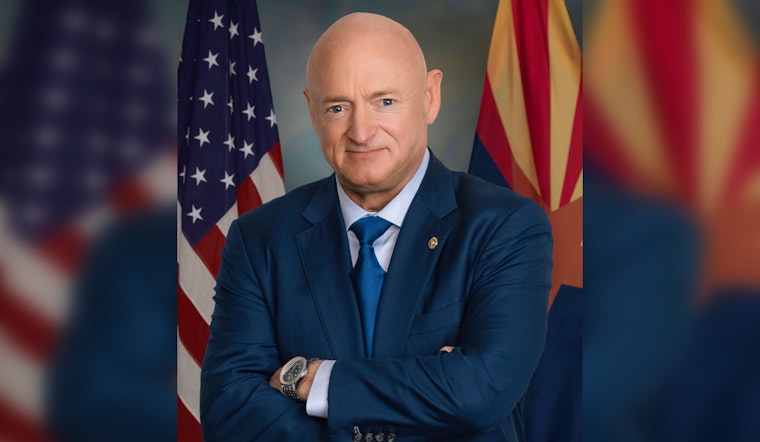
U.S. Senators Mark Kelly (D-AZ), John Cornyn (R-TX), Mark Warner (D-VA), and James Lankford (R-OK), recently celebrated the signing of their Enable IC Partnerships Act into law, as outlined in a joint statement by Senator Mark Kelly website. This legislation, aimed at boosting U.S. intelligence capabilities, is now part of the larger National Defense Authorization Act.
In a move to better arm U.S. intelligence in an era of heightened digital warfare, this new law plans to ease the process of adopting state-of-the-art technology and bolstering talent within the Intelligence Community (IC). "Our intelligence community is stronger when they're given the tools needed to anticipate national security threats," Mark Kelly stated, stressing the bipartisan effort's potential to secure crucial advancements for the United States in surveillance and analysis capabilities, according to the Senator Mark Kelly website.
As adversaries increase their technological savviness, Warner, chairing the Senate Select Committee on Intelligence, emphasized the legislation's role. "As our adversaries rapidly advance their technological capabilities, it's crucial that we streamline our processes in order to keep up," Warner said in a statement obtained by Senator Mark Kelly website, highlighting the need for support, funding, and flexibility for the IC to adequately protect national security.
Artificial Intelligence, along with machine learning and data sciences, are set to drastically change intelligence work. Cornyn expressed enthusiasm for this progression: "By fostering IC public-private partnerships, we can better equip our Intelligence Community with the tools and cutting-edge technology that will strengthen our national security," he said in a statement obtained by Senator Mark Kelly website, acknowledging the swift pace of innovation necessary to maintain a secure nation.
The threat landscape demands an intelligence force that is constantly evolving and nimble in its operations. Senator Lankford pointed out the critical role innovation plays in the cyber defense of America. "As adversaries from across the globe attempt to undermine the United States, our intelligence community needs to be prepared with the technology, training, and programs to stay one step ahead,” he said in a statement obtained by Senator Mark Kelly website.
The main thrust of the legislation is for IC acquisition leaders to actively seek out collaboration with both federal entities like the DOD Office of Strategic Capital and the private sector. These partnerships aim to translate emerging technologies into operational tools and programs tailored to meet intelligence needs. Furthermore, the Act advocates for investment in the workforce through education and training in technical fields, which include computing, artificial intelligence, and cybersecurity, to ensure a pool of talent for the future of U.S. intelligence work.





