

























































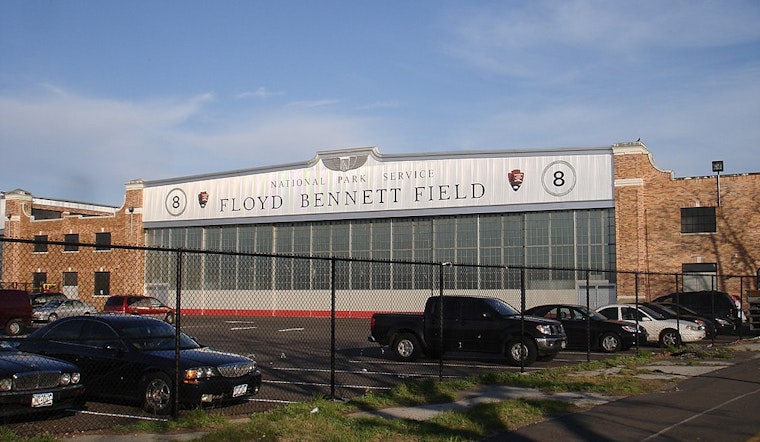
The saga of Floyd Bennett Field, once a dormant airfield in Brooklyn, finds itself in the throes of transition, its future trajectory shaped by the shifting sands of both policy and need. A controversial tent shelter established for migrants there will close its doors in mid-January, as City Hall reports a substantive drop in the number of asylum seekers—plummeting to the lowest count in well over a year. As disclosed by The New York Post the shelter, notorious in local debates concerning migration, is just one of 25 emergency facilities in the city facing closure.
With the migrants preparing for their departure, the National Park Service, as noted by Gothamist, announced forthcoming renovations and searches for new operators for the substantial sports complex currently on site, indicating a pivot back to recreational use. The space, which includes historic hangars and other athletic amenities, awaits a revitalization estimated to reach about $5 million. After the shelter moves out on Jan. 15, the lease openings suggest a forward-looking plan, despite the imminent installation of President-elect Donald Trump, a figure whose immigration rhetoric has stoked fears among advocacy groups.
Mayor Eric Adams' office has been clear on the reasoning behind the phased shutdown of these shelters: a significantly more manageable migration scenario in the city. "Today's announcement is a direct reflection of the tireless commitment of our teams and the tremendous work they do every day," Molly Schaeffer, Executive Director of the Mayor's Office of Asylum Seeker Operations, shared in a statement obtained by The New York Post. A sentiment that speaks to the overarching narrative of an administration charting what it delineates as a path toward better crisis management.
Local reactions, as one might predict, sprawl across a spectrum of relief and concern. Assemblymember Jaime Williams has been vocal, telling Gothamist that the community welcomed the shift, especially those with children utilizing the sports facility. Meanwhile, Queens Councilwoman Joann Ariola, praising the administration's move to shut down the shelter, declared that its closure "brings an end to a long, dark chapter in our city’s history," in comments made to The New York Post. Against a backdrop of local discontent over issues such as shoplifting and panhandling, it's apparent the facility's legacy is as complex as the sociopolitical threads it is entangled in.
In the forthcoming weeks, eyes will be trained on the repercussions of the shelter's closure, and the subsequent chapter for Floyd Bennett Field. With migrants directed toward their next life chapters, the facility too turns the page, opening its arms to a new narrative earmarked for athletes and local residents seeking recreation and community.




.jpg)