

























































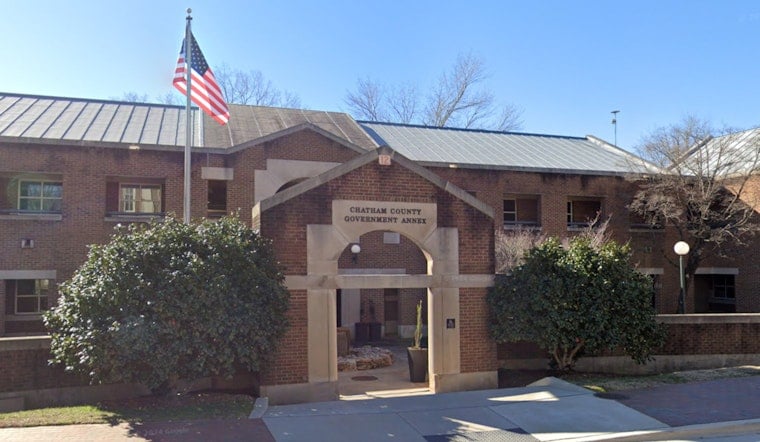
Chatham County in North Carolina is starting the new year by highlighting the plethora of cultural festivals that its diverse communities celebrate. With an aim of promoting awareness and inclusion, the county's government took to social media to encourage residents to embrace the varied traditions that January brings. "Chatham County recognizes the rich diversity of celebrations across different cultures and communities," reads a post from the county's official Facebook page.
A special nod was given to the day's festivities today, known as the Epiphany or Día de Reyes Magos, which is especially significant in many Latin American and Hispanic communities. The county's social media page, in both English and Spanish, announced, "Today, January 6, we celebrate the Epiphany or Día de Reyes Magos (Three Kings Day)," the day symbolizes the visit of the Three Wise Men and wraps up the holiday season with parades, celebrations, and gifts for the youngsters, and as the festivities continue, we see the fabric of our culture woven with stories past and presents bestowed embodying a tradition that spans back generations, according to the county's Facebook page.
The shared reverence for cultural traditions is a testament to Chatham County's commitment to its multicultural demographic, creating spaces for shared experiences and mutual recognition among its populace. The county's invitation to learn about these cultural events comes complete with a link to detailed information about the various celebrations throughout January, including lesser-known observances such as World Introvert Day and World Braille Day alongside the more widely celebrated New Year's Day.
According to the county's announcement on their public platform, Chatham County's approach to cultural integration is not just about recognition but including a call to action for broader community involvement, and education on the significance of such days, the enrichment these practices offer goes beyond mere pleasantries as they invite reflection on the intricate tapestry that is our society, enjoining us to witness, participate, and respect the narratives that underscore our neighbors' heritage and identities.





