

























































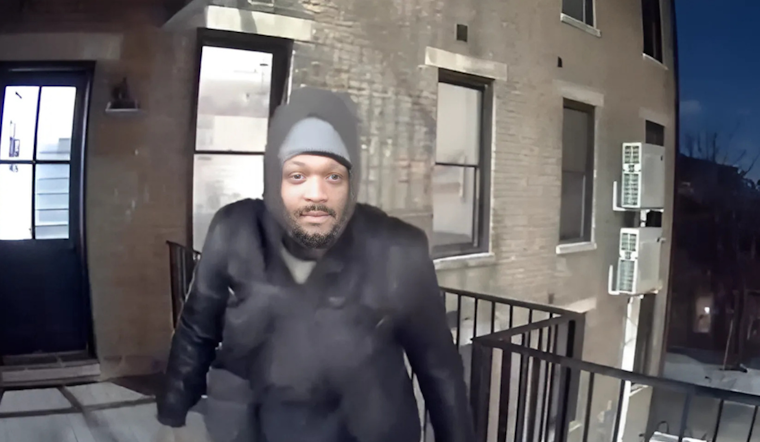
Early in the hours, when most of the city lay in the deep embrace of sleep, a burglary unfolded silently within the 1900 block of Vine Street. The Cincinnati Police Department (CPD) reported the incident on social media, asking for the public's assistance in identifying the suspect involved. The department’s official post noted that the event occurred yesterday at approximately 5:30 a.m. According to the Cincinnati Police Department (CPD) social media post, anyone knowing the suspect should contact Detective Bell.
CPD is investigating a Burglary that occurred in the 1900 block of Vine Street on 1/20/25 around 5:30 a.m. If you recognize this suspect, please contact Detective Bell at (513) 352-3518 or submit an anonymous tip to Crime Stoppers at (513) 352-3040. pic.twitter.com/9AvcJxjalr
— Cincinnati Police Department (@CincyPD) January 21, 2025
Details surrounding the burglary remain as scant as the early morning light, with investigations ongoing. The CPD's request for aid betrays an urgency felt behind badge and desk, with eyes and ears urged to open and any information to be channeled through Detective Bell at (513) 352-3518. Alternatively, anonymous tips are welcomed for those wishing to remain in the shadows and can be submitted to Crime Stoppers by dialing (513) 352-3040.
As the silence of the burgled premise betrays none of its secrets, the break in the daily peace that a burglary represents unsettles the community strung along Vine Street. It's a fracture in the neighborhood's facade of security, the creeping reminder that the sanctity of our personal spaces is more conditional than we care to admit. Acts of intrusion into our personal spaces take what is tangible and pilfer the intangible—our sense of safety. The CPD has, thus far, not revealed what was taken or how much the stolen items might be worth.
The police department's digital cry for help speaks to a contemporary reliance on the interconnectivity of social media. Much like everything else, the realm of safety and security now finds itself entwined with the web of online engagement. The suspect's image, circulating amongst the bytes and notifications, has become another stream avatar seeking identification. Often disconnected in physical presence, the community is called to unite in this virtual search. Citizens, armed only with their screens, might cast light on this suspect shadowed in anonymity, placing a call to the authorities upon recognition.
As we await further developments, the story of this burglary remains partially told, hanging in the air like the winter's breath. The act's audacity is penned in police reports and cast in internet signals—a sign of the times when the digital and physical worlds collide in the pursuit of justice. We watch and wait, knowing that within these signals lies the potential resolve to the burglary's narrative—a resolution resting heavily on the hope that someone, somewhere, knows something more.



