

























































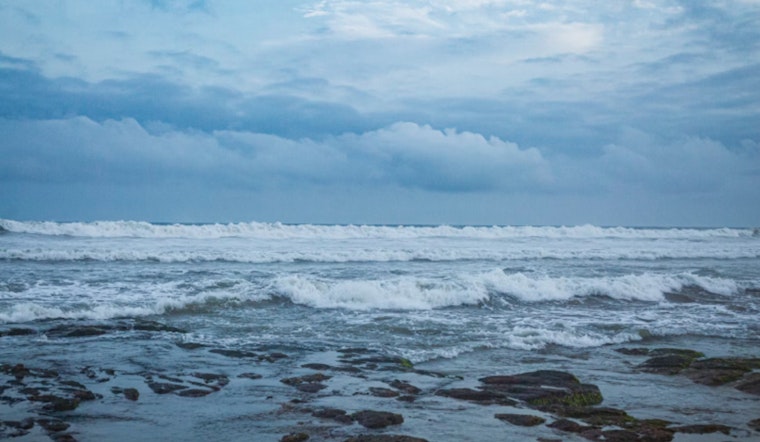
The Los Angeles County Department of Public Health is issuing a firm word to the wise for beachgoers: avoid getting into the water at several local beaches due to high bacterial levels. Several popular beach spots stretching from Zuma Beach down to Marina Del Rey have been slapped with warnings, as confirmed by the County of Los Angeles.
Areas specifically flagged include Zuma Creek, the vicinity around Santa Monica Beach's Strand Street extension and Pico-Kenter storm drain, Will Rogers State Beach at Pulga storm drain, Solstice Creek at Dan Blocker County Beach, and several others, as detailed by the County of Los Angeles. Ample signage and advisories demarcate these hot spots, urging to stay a hundred-yard berth around the creek and storm drain outlets, with an even broader caution for all swimming areas at Inner Cabrillo Beach and Mothers Beach.
"These warnings have been issued due to bacterial levels exceeding health standards when last tested," reminds the department’s recent bulletin. While the reasons for the bacterial spikes haven't been detailed, the implications for public health can't be ignored. Surfers, swimmers, and families are being directed away from potential risk areas to prevent any possible health issues.
The department has also announced some good news for water enthusiasts - waters at Castlerock Storm Drain at Topanga County Beach and Walnut Creek at Paradise Cove have been given the all-clear, with tests showing that these areas now fall within the state's acceptable water quality standards.
For those yearning to sink their toes into some sand without the fear of unwanted bacteria, the Department of Public Health maintains a beach conditions hotline available round-the-clock at 1-800-525-5662. Complete information, including a map of the affected areas and updates on water quality, can be found on the department's website.





