

























































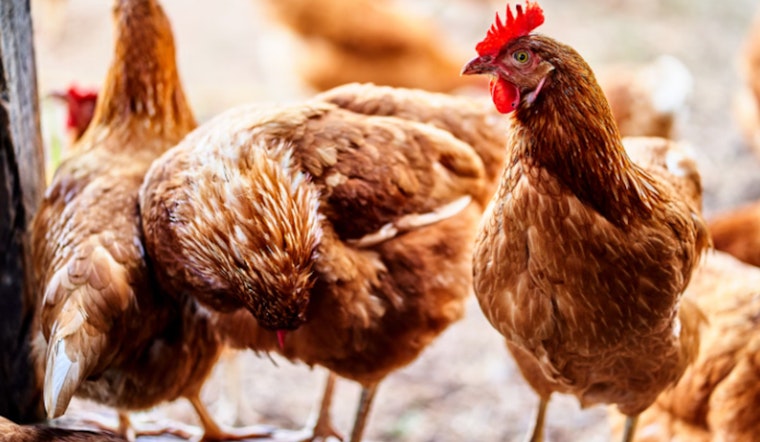
The Michigan Department of Natural Resources has issued a health advisory to late-season waterfowl hunters as cases of highly pathogenic avian influenza, or "bird flu," continue in wild and domestic birds. Increased mortality has been reported in Canada geese, trumpeter swans, and scavenger birds, according to the Michigan Department of Natural Resources.
"While waterfowl hunters are much more likely to encounter wild birds, it's important for all Michiganders to understand the health risks that bird flu can pose to wildlife, humans and domestic animals," said Mitch Marcus, DNR Wildlife Health supervisor. Bird flu has been found in Michigan's wild birds, domestic animals, and even two farmworkers last year. Hunters should avoid sick or dead birds and watch for symptoms like fever or sore throat for 10 days after exposure to reduce the risk of spreading the virus, as stated by the Michigan Department of Natural Resources.
To prevent bird flu, cook wild bird meat to 165°F, wear gloves, avoid touching your face, and practice proper hygiene when cleaning birds. Keep pets away from wild birds and contaminated hunting gear, and clean yourself before handling animals. For more information, visit Michigan Department of Natural Resources websites.





