

























































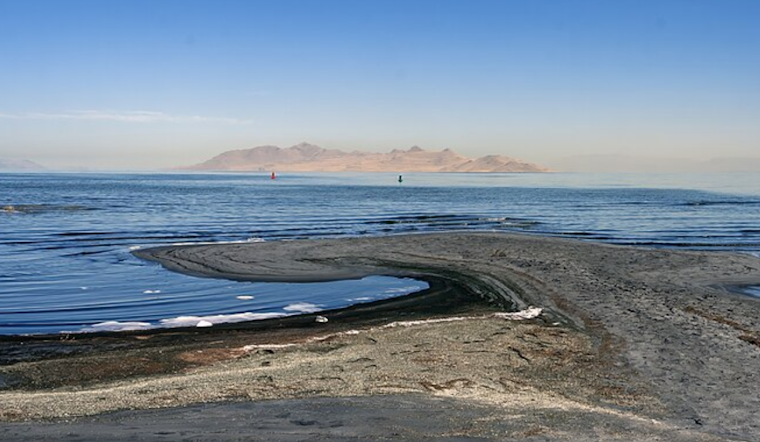
In the face of evaporation and ecological stress, new research urges significant changes in water use. One such study detailed by FOX 13 advocates for sharp reductions in alfalfa and hay production within Utah. These cuts are deemed essential for returning the ailing Great Salt Lake to sustainable levels.
According to the same study, the agriculture sector is a major water consumer, drawing significantly from the state's resources. A shift in crop cultivation, specifically cutting back on water-intensive alfalfa and hay, could play a critical role in water conservation efforts. However, such changes pose economic and cultural challenges for Utah farmers, who have cultivated these crops for generations, and their cooperation is paramount. The suggested reductions are sized to balance agricultural needs with the lake's, but the success of this endeavor hinges on collective action and a rethinking of agricultural practices.
Another report highlighted by KSL TV points to a broader need for statewide water conservation. The study indicates that Utahns, with an emphasis on farmers, must reduce water usage by 35% to save the Great Salt Lake. Stabilizing the current declining water levels would necessitate a 15% reduction, with an additional 20% needed for replenishment, according to KSL TV.
"We’re hoping… everybody will see that we really need to step up to a much higher level of activity… if we’re going to succeed in saving the Great Salt Lake," said Brian Richter, president of Sustainable Waters and a global leader in water science and conservation policy, as obtained by KSL TV. Current efforts driven by state leaders, although substantial with laws passed and millions allocated, address just about 10% to 15% of the conservation needed. This gap underscores the urgency of adopting the recommended measures, to ensure the lake's survival for future generations. Yet as Utahns are called to action, it will be the reconciling of present sacrifice with future benefit that determines the fate of their cherished natural landmark.





