

























































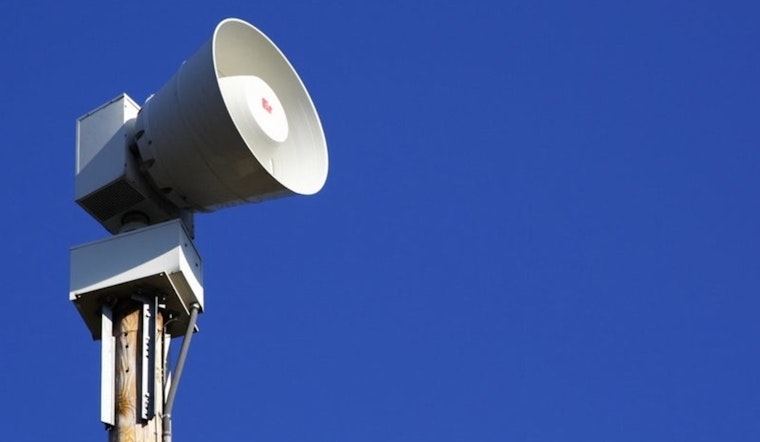
Residents around the Catawba and McGuire nuclear stations should expect to hear the sound of sirens this coming Wednesday, but no need to panic—it's just a test. Announced by county officials in cooperation with Duke Energy, sirens will blare for up to 30 seconds at a time sometime between 11 a.m. and 1 p.m., with some potentially being tested more than once, according to an alert published by Gaston County.
The testing is a routine measure to ensure the functionality of the emergency systems, it involves 89 sirens at the Catawba station in York, S.C., and 67 sirens at the McGuire station in Huntersville, N.C., and may not be limited to a single run if maintenance follow-ups are needed. If there were an actual emergency the regular programming on local broadcasting stations would be interrupted with Emergency Alert System (EAS) messages to provide information and instructions to the public, however, this is just a standard test and thus will not trigger any such interruptions.
The outdoor warning system is a critical component of the area’s emergency preparedness strategy, designed to alert residents within a 10-mile radius of the nuclear plants. These tests are conducted in collaboration with emergency management teams across multiple counties, including Catawba, Gaston, Iredell, Lincoln, and Mecklenburg counties in North Carolina, and York County in South Carolina.
For those looking to learn more about these measures or the significance of the sirens, Duke Energy has made information available on their website. Duke Energy, a leading energy provider, operates in a swath of the United States serving millions of customers and is on a path toward net-zero methane and carbon emissions from its various energy businesses by 2030 and 2050, respectively.




