

























































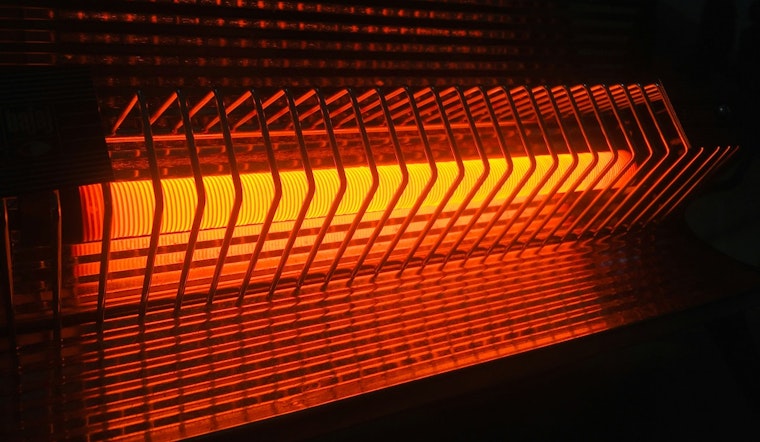
With the cold season triggering a drop in temperatures across North Carolina, State Fire Marshal Brian Taylor is calling on residents to stay warm without compromising their safety. Recognizing the inherent risks of space heaters, candles, and carbon monoxide poisoning, especially during this time, Marshal Taylor issued a series of guidelines designed to prevent potential emergencies and fatalities.
In a news release from the Office of the State Fire Marshal, the statistics showed a concerning number of fire fatalities in the past years, with 146 deaths in 2023, dropping slightly to 122 in 2024. "Every year, we see tragic incidents caused by unsafe heating practices, unattended candles, and undetected carbon monoxide in homes," Taylor said, highlighting the urgency in adopting safer heating methods.
Marshal Taylor advised that to minimize risks, space heaters should adhere to a strict 3-foot clearance from combustible materials and remain off when unattended or while residents are asleep. Stressing on this, he recommended the use of laboratory-certified space heaters and the avoidance of extension cords to prevent overheating and potential fires.
When it comes to candle use, Taylor's guidance is just as crucial. Candles, if left ignored, can swiftly become a source for home fires. The Marshal explained that residents should never leave candles burning unwatched, and should use sturdy holders to prevent tipping. For a safer ambiance, alternatives to open flames, like battery-operated candles, were suggested.
The silent yet deadly threat of carbon monoxide was also addressed, with Taylor emphasizing the need to install CO alarms on every level of the home and near sleeping areas. He prepared the residents through maintenance advice, indicating that generators should never be used indoors and that chimney and heating systems must be checked each year. Recognizing the symptoms of CO poisoning like headaches and dizziness is also vital for quick response and protection against this invisible danger.
Taylor's drive to educate the public on these dangers, as reported, serves as a critical step towards reducing the number of fire-related tragedies and elevating the collective safety of North Carolinian families during the colder months.





