

























































As artificial intelligence (AI) continues to transform the landscape of medical diagnostics, two cutting-edge developments from New York are drawing attention and investment in the increasingly crucial field of AI-driven cancer detection. Ataraxis, a Midtown-based startup specializing in machine-learning diagnostics, recently secured $20M in an early-stage venture capital round, according to Crain's New York. Founded by Dr. Jan Witowski and Dr. Krzysztof Geras, Ataraxis is honing in on the utilization of computer algorithms to examine vast quantities of patient data for disease diagnosis, with a notable concentration on breast cancer.
The recent cash infusion, following a prior $4M in seed funding from investment firms including Giant Ventures and Obvious Ventures, positions Ataraxis at the forefront of an industry boom centered around the Big Apple's powerhouse health systems, which provide extensive research capabilities and access to comprehensive patient data, and as such, Ataraxis joins the likes of Paige and PreciseDx, other New York-based AI ventures spinning out of collaborative efforts with medical institutions, Paige, even after grappling with controversy surrounding the financial benefits received by leaders of the non-profit hospital Memorial Sloan Kettering, has surged ahead with a substantial $214 million in funding, according to PitchBook data.
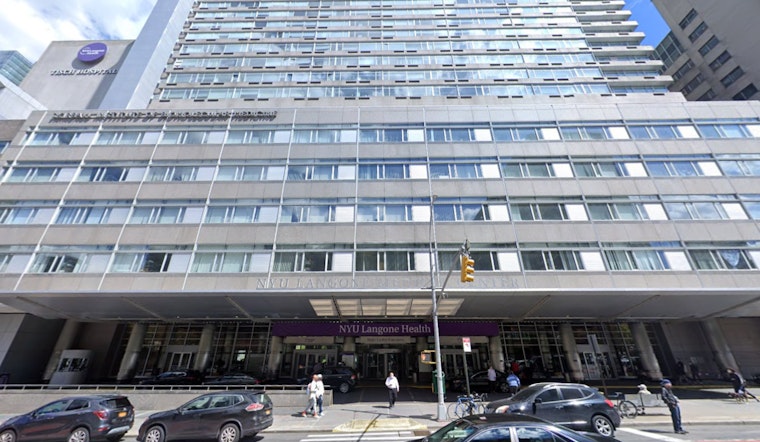
Moving from breast to lung cancer detection, NYU Langone Health's Perlmutter Cancer Center and the University of Glasgow in Scotland have introduced another AI breakthrough: a 'self-taught' tool designed for diagnosing and predicting the severity of adenocarcinoma, a prevalent form of lung cancer, this innovation, disclosed by NYU Langone, displayed up to 72 percent accuracy in prognosticating the likelihood and timing of cancer recurrence post-therapy, outperforming the 64 percent accuracy managed by pathologists.
The program, termed Histomorphological Phenotype Learning (HPL), is renowned for its self-directed learning approach, which analyzes the structural features of tumors to inform severity assessments and prognosis. "Our new histomorphological phenotype learning program has the potential to offer cancer specialists and their patients a quick and unbiased diagnostic tool for lung adenocarcinoma that, once further testing is complete, can also be used to help validate and even guide their treatment decisions," stated Dr. Nicolas Coudray of NYU Grossman School of Medicine to NYU Langone. He emphasized the program's unique capacity to evolve and refine its diagnostic accuracy with increasing data input. The team’s next goal is to develop similar AI tools for various cancers, including breast, ovarian, and colorectal, by incorporating more comprehensive data sources, such as electronic health records.




