

























































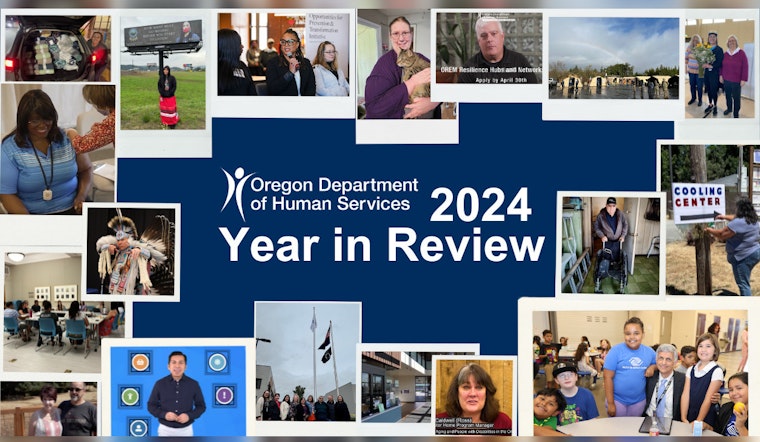
The Oregon Department of Human Services (ODHS) has capped off a year marked by concerted efforts to bolster the well-being of over 1.5 million residents across the state. In a comprehensive review of their initiatives, ODHS has outlined its achievements throughout 2024, maintaining a focus on reinforcing community ties and emergency response readiness. Director Fariborz Pakseresht spearheaded tours of ODHS offices, touched base with local groups, and orchestrated forums with community allies to emphasize collective resilience and cooperation within Oregon and Tribal Nations.
During the tumultuous January ice storms, ODHS rose to meet the hardships faced by Oregonians. The agency backed over 100 warming centers operated by various city, county, and non-profit entities. According to a ODHS post, the ODHS Office of Resilience and Emergency Management (OREM) efficiently mobilized resources, ensuring preparedness plans were set prior to the storm. Efforts extended to the aid of individuals necessitating replacement SNAP benefits following power outages.
ODHS also reported significant achievements in improving the state's preparedness for disasters and emergencies. February saw the introduction of a $10 million Resilience Hubs and Networks Grant, aimed at fostering local initiatives that boost community-based disaster readiness. ODHS is anticipated to announce grant recipients later in 2025, marking a significant step in Oregon's commitment to building a robust infrastructure for crisis management.
Another highlight of the year was ODHS's selection for the Doris Duke Foundation’s three-year, $33 million Opt-in for Families initiative, as noted in the ODHS year in review. This move is set to bolster Oregon's approach in aiding children and families, by melding anti-poverty programs with coaching models to preserve family unity and ensure child safety. Since its inception in 2022 at eight demonstration sites, this approach has played a role in the noteworthy decline in the number of children in foster care—from 7,908 in 2018 to 4,597 in 2023.
ODHS has also taken proactive measures to address the increasing demand for qualified care providers. By initiating recruitment campaigns for Adult Foster Home providers and Home Care Workers with a special focus on diversity and rural populations, the organization aims to meet Oregon's estimated need for 65,000 new direct care workers by 2030. Director Fariborz Pakseresht told ODHS, "By emphasizing meaningful work, flexible schedules, and great benefits, we hope to continue our efforts and see even more success in 2025."
ODHS's recap further reveals their response to social concerns such as domestic violence. By enhancing financial aid for survivors through the Temporary Assistance for Domestic Violence Survivors (TA-DVS) program—from $1,200 to $3,200, ODHS has reaffirmed its commitment to mitigate critical safety barriers, propelling survivors toward increased stability and well-being. In addition, the agency launched projects to combat social isolation among older LGBTQIA2S+ adults by distributing free technology and other creative means to foster social connections.
Notably, a partnership with the Confederated Tribes of Grand Ronde reached a symbolic milestone, with ODHS celebrating the raising of the Grand Ronde Tribal Flag at the Dallas ODHS office. This act serves as a recognition of the ongoing government-to-government relationship and reflects a shared aspiration for strengthened ties with Tribal communities. Throughout the year, ODHS's initiatives—from emergency preparedness drills to establishing vaccine clinics—have showcased a concerted approach designed to attend to Oregon's varied and comprehensive social service needs.




