

























































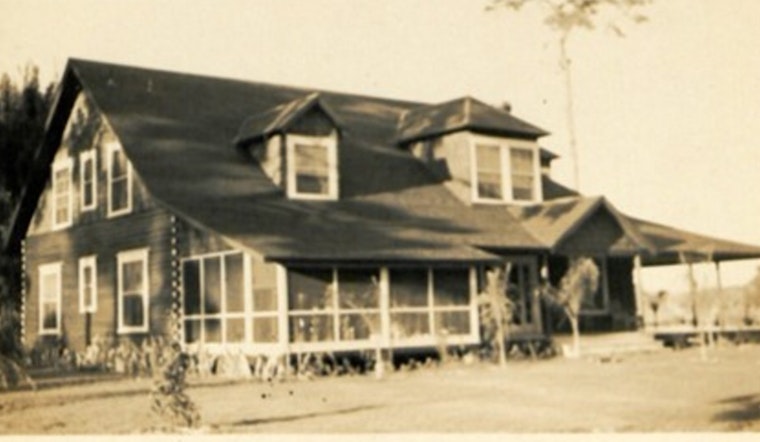
As Orange County hits a milestone two centuries of existence, the region looks back on its history with a commemorative call to arms. Social media was abuzz with an announcement from the Orange City, FL – Government, inviting residents to participate in a narrative of collective memory. The heart of the celebration is a public archive, compiling private moments that weave into the public history of Orange County, from the early settlement activity of the 1880s to present-day milestones. Orange County's progress is laid out for display, drawing from the resources and tales of its citizens.
The call to action was simple: "Be part of the celebration by helping us tell Orange County's story." Yet, the simplicity belies the rich tapestry of stories anticipated from the submissions, that will include photos of historic landmarks, beloved family memories, and slices of everyday life as they occurred in the past. Following this announcement, a link to the Orange County's page ocfl.net/200, was shared, guiding contributors to where they can submit their photographs and anecdotes. This is not just a call for celebration, but a participatory historical project, one that acknowledges each resident as a keeper of the County's vast and sprawling past.
The response targets to engage the breadth of Orange County and its representatives. Those mentioned in the anniversary announcement include a veritable list of district commissioners: OC District 1's Christine Moore, District 2's Mayra Uribe, District 3's Maribel Gomez Cordero, District 4's Kelly Semrad, District 5's Michael "Mike" Scott, and District 6 Commissioner. Their roles suggest a unified governance rallying behind the bicentennial fête, suggesting an active engagement with their constituents and a shared pride in the history and progress of Orange County.
The county's history has long been intertwined with the railways, with Wewahotee landing on maps since 1916, and establishment activity dating back even earlier. There's mention of the now-defunct Florida East Coast Railway, which had a Wewahotee stop before 1916, indicating early transit developments that perhaps shaped the county's growth.





