

























































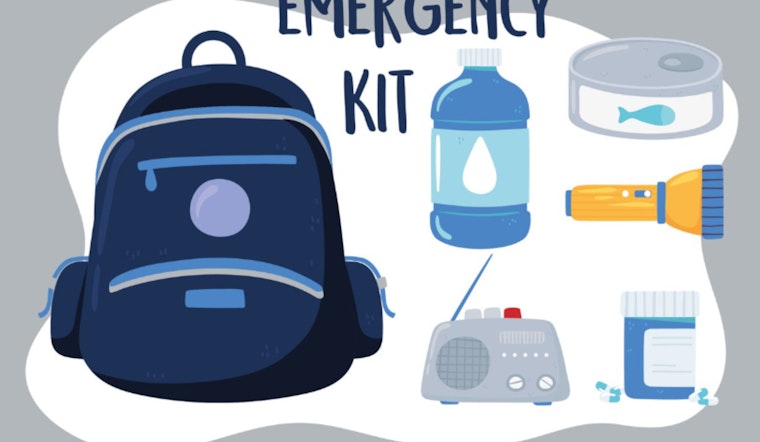
As we stride into the depths of 2025, the Oregon Office of Emergency Management advises citizens to hone their preparedness skills, issuing a slew of tips to kick off a safe and secure year. With contingencies in mind—ranging from climate mishaps to unforeseen disruptions—residents are encouraged to review and update their emergency plans. Making sure all contact information for family, neighbors, and emergency contacts is current could make all the difference in a crisis, notes the Oregon Office of Emergency Management's website.
For residents, not only checking expiration dates on batteries, food, and medications is vital, but also ensuring that emergency kits include a 2-week supply of non-perishable food, water, and medical necessities. Families need to remember items critical for the young, the elderly, and pets when planning for the unintended. By signing up for emergency alerts and following local emergency management on social media, one doesn't miss critical updates when they might be most needed.
Preparing for winter may require a little more than a cozy fire and a good book. The advice focuses on readying homes and vehicles for cold weather and, of equal importance, keeping an emergency kit in your vehicle. With safety in mind, they warn against the invisible threat of carbon monoxide and the improper indoor use of heating devices.
Alongside physical preparations, documentation is next on the checklist; it is advised to keep important documents, such as insurance policies and medical records, safe in waterproof containers—and digitally—and to consider a refresher course in first aid or CPR when turning up for annual health check-ups.
The Bureau's guidance emphasizes proactivity in community engagement, suggesting joining volunteer groups like CERT (Community Emergency Response Team). Neighborhoods can foster a culture of readiness and resilience by checking in on vulnerable community members and inviting friends to participate in preparedness.
Creating an emergency savings fund and reviewing insurance coverage is emblematic of smart financial preparedness. Setting monthly goals such as organizing supplies and leading family emergency practice nights are subtle yet potent steps toward a year free from the clasp of chaos unprepared.


