

























































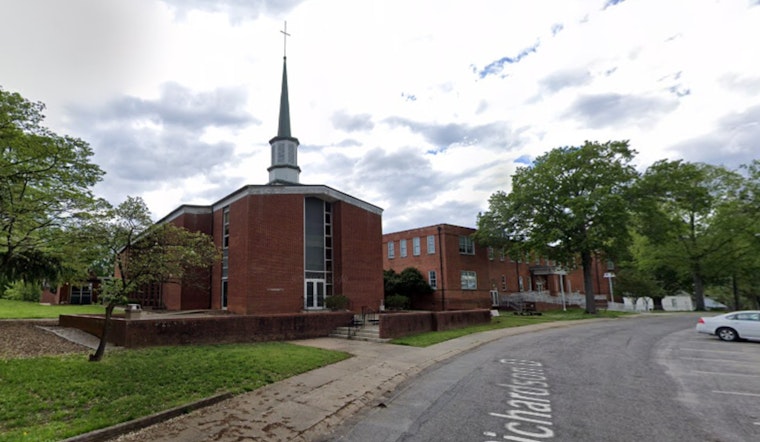
Amidst ongoing efforts to smoothly reintegrate formerly incarcerated individuals into society, the North Carolina Joint Reentry Council is gearing up to hold its monthly meeting this Thursday in Raleigh. The council, which is focused on bolstering rehabilitation and reentry strategies, will convene at the Greg Poole, Jr. All Faiths Chapel at Dorothea Dix Park from 10 a.m. to noon. The gathering promises a space for council members, honored guests, and speakers, while also offering a fragment of time for the public to directly impart their views, as reported by the North Carolina Department of Adult Correction.
According to a press release obtained from the North Carolina Department of Adult Correction, the meeting will kick off with welcoming words and introductions from Leslie Cooley Dismukes, the Secretary of the N.C. Department of Adult Correction, alongside Tammera Hill, the department's Chief Operating Officer. The agenda further reveals a strategic planning update to shortly follow, helmed by Maggie Brewer, the NCDAC Chief Deputy Secretary for Rehabilitative and Correctional Services, and George Pettigrew, the North Carolina Department of Adult Correction Deputy Secretary of the Division of Rehabilitation and Reentry.
Underlining the council's multifaceted approach, the meeting is set to cover the expansive role of the NC Department of Military and Veterans Affairs in aiding transitions back into civilian life. Andrea Allard, Director of Transition Services for the department, will discuss their mission and touch on the ways in which the department dovetails with reentry efforts. Later, attendees will have the chance to delve into the intersection of technology and rehabilitation with Brian Scott, Executive Director of OurJourney, exploring digital opportunities that can significantly to empower justice-impacted individuals, as per the North Carolina Department of Adult Correction.
With the session concluding with a segment allocated for public commentary, Deputy Secretary Pettigrew is slated to draw the meeting to its close. Those unable to attend in person may want to keep an eye out for subsequent bulletins that will likely relay the proceedings and any actionable outcomes that may transpire from the discourse. Transparency and community involvement remain integral parts of the council's mission, mirroring the larger movement towards more inclusive and effective criminal justice reforms.




