

























































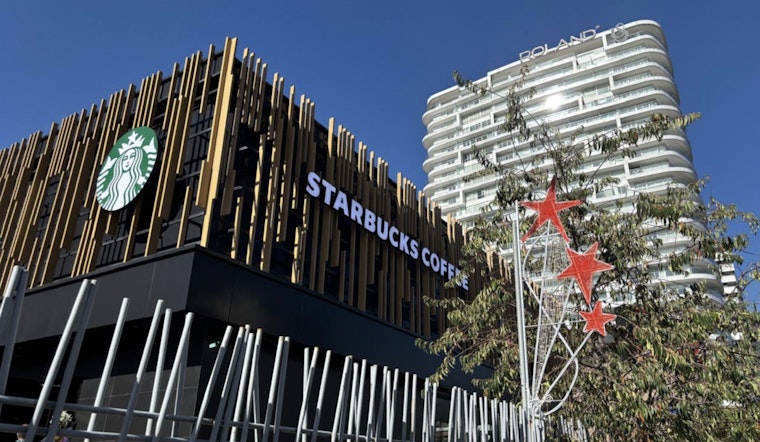
Starbucks is reducing its food and drink options by 30 percent in an effort to simplify the menu and reduce customer wait times, which have increased due to complex orders. The CEO mentioned during a conference call that the goal is to streamline service and align with the company's original focus as a local coffee shop, as per a report by KHOU.
Starbucks has not disclosed which specific menu items will be cut, but it has already discontinued its olive oil drinks and iced energy beverages. The company is focusing on core offerings that meet morning needs and providing appropriate food and snack options later in the day, as explained by Brian Niccol, chairman and CEO, in a report from Fortune. Additionally, Starbucks is planning to introduce digital menus at all company-operated U.S. stores over the next 18 months, with a similar transition expected in Canada starting this year, Starbucks Canada's spokesperson mentioned, as per CBC.
The menu simplification comes after a four percent drop in same-store sales globally, though the decline was less than analysts had anticipated, according to FactSet data cited by CBC. In addition to reducing menu complexity, Starbucks is reintroducing customer service features such as personal cup messaging with baristas' Sharpies, self-serve condiment bars, and ceramic mugs for in-store customers, which were discontinued during the pandemic, relays KHOU.
Starbucks is working to improve the in-store experience, recently announcing that customers will receive complimentary refills of coffee or tea while seated. The company is also implementing a policy requiring purchases for restroom use or extended in-store visits, aiming to balance customer experience and operational efficiency. Additionally, Niccol acknowledged the challenges with mobile orders, saying "All these orders come flooding in faster than even our customer can get there. So all these drinks are sitting on the counter, and it's at the expense of providing any other experience for a customer that's right in the store," conveying a need to prioritize in-store patrons over an uncontrolled influx of mobile orders, as outlined by CBC.
In response to consecutive quarters of declining sales, these changes reflect Starbucks' efforts to improve customer relations and operational efficiency, while also working to reestablish the 'third place' concept between home and work that former CEO Howard Schultz envisioned for the company.





