

























































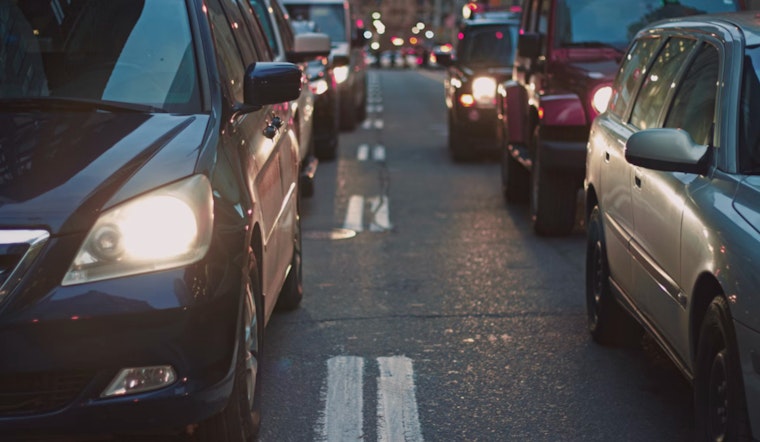
The congestion pricing toll takes a toll on New York City drivers. Staten Island Borough President Vito Fossella weighed in on the financial burden his residents now face during an interview with PIX11 Morning News. The newly implemented system, which affects approximately 500,000 Staten Island residents, requires motorists to dig deeper into their pockets when traveling into Manhattan.
According to FOX5NY, the congestion pricing program, which kicked off yesterday, started without major issues, though Metropolitan Transportation Authority Chair and CEO Janno Lieber has issued a reminder that "This is a toll system that has never been tried before in terms of complexity." With fees that vary by vehicle type and time of day, starting at $9 during peak hours for passenger vehicles with E-ZPass, the financial impact is clear, especially to the working people standing at or below the $50,000 income line, who will only qualify for a 50% discount after their 10th monthly trip.
This initiative, first of its kind in the United States, stands as a multi-faceted effort to alleviate gridlock, improve air quality, and bolster transit infrastructure with a $15 billion budget cushion. It spans below 60th Street in Manhattan, sparing drivers on selected exempt highways such as the FDR Drive and West Side Highway. Most fees will be collected via E-ZPass, with non-users receiving a bill for a higher toll rate in the mail.
Moreover, special groups have not been left in the dust by the congestion pricing scheme. Complementing the rule, drivers using tunnels like the Hugh L. Carey link will see credits, providing some fiscal relief. Though taxis and rideshare vehicles are also subjected to surcharges, these measures look to entice New Yorkers to embrace public transportation further, with revenues earmarked for much-needed subway modernizations and improvements to bus services, including those connecting Staten Island residents.
To navigate the new financial landscape, city drivers are being encouraged to get an E-ZPass, which would save them up to 50% on tariffs compared to the mail-based option. Planning one's route to take advantage of toll-exempt highways could further avert some of the congestion pricing sting, and citizens are also guided to consider public transport alternatives, with increased services to accommodate potential ridership upticks.





