

























































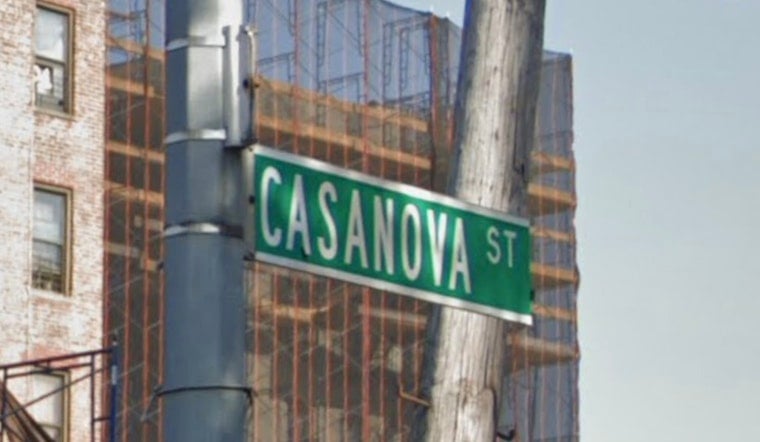
A vacant stretch of Casanova Street in Hunts Point is finally getting built on. The Doe Fund broke ground on August 3 on the Casanova Residence, a six-story, 63,000-square-foot building at 658-674 Casanova St. that will bring 96 units of affordable and supportive housing to a site that sat empty for years after the nonprofit bought it.
The project, designed by Curtis + Ginsberg Architects, will include 58 supportive housing units and 38 affordable units, according to New York Real Estate Journal. The supportive units will be reserved for individuals and families dealing with serious mental illness, substance use disorders, or disabling medical conditions, and will be funded through the city's 15/15 Supportive Housing Initiative, while the affordable units will be distributed through the city's housing lottery system, per the same outlet's reporting.
The road to breaking ground was not quick. The Doe Fund purchased the Casanova Street property in February 2020 for $4.3 million, but construction was delayed by the COVID-19 pandemic and by debt and equity financing hurdles, according to The Real Deal. The project ultimately secured capital through the NYC Department of Housing Preservation and Development's Supportive Housing Loan Program, along with private investments from Raymond James and Webster Bank, the outlet reports.
A Site Tied to Hunts Point's Changing Landscape
The Casanova Residence sits at the corner of Casanova Street and Spofford Avenue, directly south of The Peninsula, a multi-phase development transforming the former Spofford Juvenile Detention Center into affordable housing and community space, according to The Real Deal. The pairing places two major redevelopment efforts side by side in a corridor that has historically been defined by industrial and institutional land uses.
The need for that kind of investment is stark in the surrounding community. U.S. Census Bureau estimates compiled by Data USA show that the Hunts Point and Mott Haven area recorded a median household income of $31,872 in 2024, an overall poverty rate of 38.7 percent, and a homeownership rate below 8 percent — figures that help explain why officials continue steering subsidized housing dollars into the neighborhood.
How the Financing and Services Fit Together
The supportive units will be funded through the NYC 15/15 Supportive Housing Initiative, a municipal program established in November 2015 aimed at creating 15,000 units of supportive housing over 15 years by combining project-based operating subsidies with service contracts, according to NYC.gov. Separately, HPD's Supportive Housing Loan Program provides up to $125,000 per unit in low-interest financing and requires that at least 60 percent of units in participating projects be set aside for formerly homeless and disabled New Yorkers, per guidelines published on the city's site.
Once built, tenants at the Casanova Residence will have access to a range of on-site services, including case management, job search preparedness, paid work training, computer skills classes, adult basic education classes, occupational courses, financial literacy classes, and legal referrals, according to New York Real Estate Journal. The building will also feature free high-speed broadband internet, a fitness center, a landscaped outdoor courtyard, and dedicated space for on-site caseworkers, according to New York YIMBY.
Part of a Growing Bronx Portfolio
The Doe Fund describes itself as a homeless services organization, founded in 1985 by George McDonald. It launched its signature Ready, Willing & Able work training program in 1990, which has served more than 23,000 formerly homeless and justice-involved individuals, according to educational profiles cited by the nonprofit. Once complete, the Casanova Residence will mark the organization's 13th affordable and supportive housing building and will push its footprint to more than 1,400 housing units citywide, per New York Real Estate Journal, on top of the more than 1.2 million square feet of housing it already operates.
The Bronx has become a particular focus for that expansion. Hoodline reported in previous coverage of the group's Bronx push that The Doe Fund was already developing a 100-unit affordable and supportive project at 3188 Webster Avenue in Norwood, and the organization's broader portfolio includes the 64-unit Creston Avenue Residence, which opened in November 2024. The Casanova Residence adds another chapter to that pattern, converting a long-vacant commercial lot in one of the city's lowest-income neighborhoods into permanent housing paired directly with the services the organization has built its mission around.




