

























































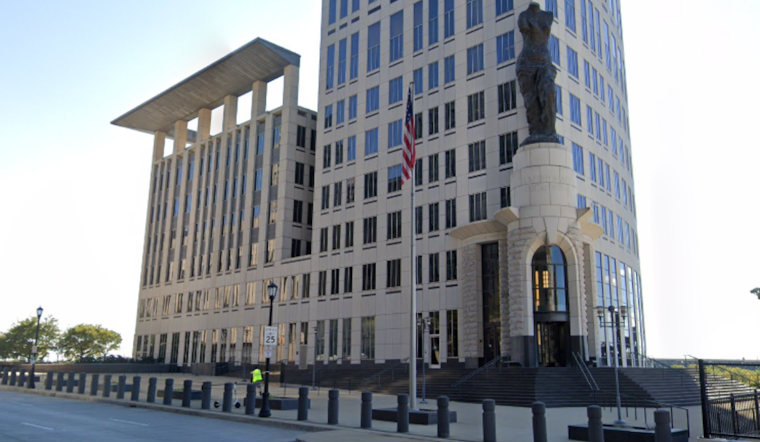
The U.S. Attorney’s Office for the Northern District of Ohio has brought home nearly $28 million from civil and criminal actions for Fiscal Year 2024. This sum reflects the dogged efforts of American jurisprudence to hold entities accountable and assist victims of crimes, according to a press release yesterday from the U.S. Department of Justice. The office has collected $27,882,120.34 overall, with civil actions netting $12,537,202.34 and criminal actions bringing in $15,344,918 specifically designated for victim restitution.
Adding to the tally, the USAO also managed to separately forfeit over $7.7 million in assets linked to criminal activity within the same period, raising their combined collections to $35,583,590.34. These efforts represent a relentless push to ensure justice is served and measured in the restitution to those wronged and the recoupment of funds to U.S. coffers amidst a complex landscape where financial crimes and fraudulent enterprises intertwine with the everyday lives of the innocent. “The USAO’s FY 2024 collection efforts were tremendously successful, and we remain committed, in 2025 and beyond, to using all available legal remedies to collect restitution for victims and recover taxpayer dollars improperly taken through fraud, waste, and abuse,” U.S. Attorney Rebecca Lutzko told the U.S. Department of Justice.
Notable mentions among civil collections include the Cleveland Clinic Foundation, which paid $7.6 million to settle False Claims Act allegations related to their federal grant applications, and a group of companies, including Ohio Refining Co., Chevron USA Inc., and others that settled for a cumulative $7,282,518.92 over allegations of environmental pollution near Toledo. On the criminal side, Aydin Kalantarov was ordered to pay the Small Business Association nearly $7.8 million in restitution, contributing substantially to the USAO's collection efforts. Matthew Maluchnik and Christopher Hardin likewise faced restitution orders for their respective crimes, with portions of their penalties flowing to their victims.
The importance of these actions cannot be overstressed, as they illustrate the government’s determination to punish wrong-doers and ensure that victims receive monetary justice for their losses so they can begin the arduous rebuilding process. Indeed, the USAO and its partner divisions consider these wins a stern message to those who dare breach the public trust and the law, a message that the United States will diligently work to mend the breach when harm is done. Funds collected from criminal fines and assessments are not left in limbo. Still, they are funneled into the Department’s Crime Victims Fund, further translating into tangible aids for those who have been affected by crimes through compensation and assistance programs. The fiscal responsibility and victim-centric approach of the U.S. Attorney’s Office embodies a commitment to civil service and the public good.





