

























































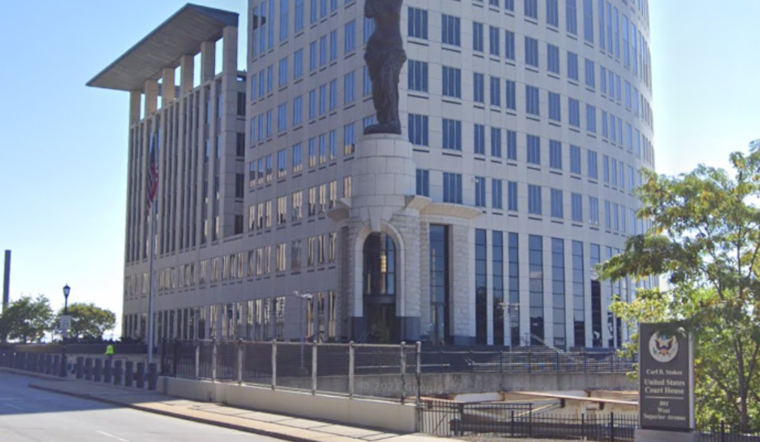
The United States Attorney's Office (USAO) for the Northern District of Ohio has made headway in its fight against elder fraud as 2024 draws to a close. With an array of cases tackled, the USAO's White Collar Crimes Unit is standing firm on its Elder Justice Initiatives, designed to protect seniors from fraudsters who exploit them financially. The targets of these schemes, often trusting seniors, were swindled out of critical funds through methods such as identity theft, wire fraud, and other forms of financial deception.
In a statement obtained by the U.S. Department of Justice, U.S. Attorney Rebecca Lutzko emphasized the commitment to "prosecuting those who prey on the elderly members of our communities in an attempt to steal their savings." Among the cases, a caregiver was sentenced to 30 months for exploiting a power of attorney, a Chinese national's involvement as a 'money mule' resulted in 16 months imprisonment, and a grandson's theft from his grandfather led to a 37-month sentence. Other cases included a Ponzi scheme operator awaiting sentencing and various frauds ranging from cold-calling scams to cryptocurrency investment traps.
Moreover, the public outreach efforts by the USAO staff played a crucial role in raising awareness about elder fraud. Various educational sessions were conducted to inform seniors and their communities about the dangers of fraud, covering topics like courier and grandparent scams, top scams for the year, and the specifics of cold calling and investment scams. These efforts not only informed but also empowered the elderly population against potential financial exploitation.
Among the cases detailed by the Department of Justice, the 'U.S. v. Xie' case underscores the insidious nature of these crimes as a college student abused F‐1 Visa privileges to execute crimes across states—revealing a complex network of fraud targeting vulnerable seniors. The U.S. v. Turnipseede case also exposes the heartless manipulation behind a Ponzi scheme that duped approximately 72 investors out of more than $8.5 million. Such cases showcase the breadth of tactics criminals use to defraud the elderly and the importance of the vigilant action taken by authorities.
The prosecutorial achievements and educational initiatives indicate the USAO's holistic approach to tackling elder fraud—an approach that marries enforcement with prevention. As we enter 2025, the ongoing battle to safeguard one of the most vulnerable segments of the population continues, with the promise of rigorous prosecution and relentless awareness campaigns, as detailed by the USAO's report in 2024.




