

























































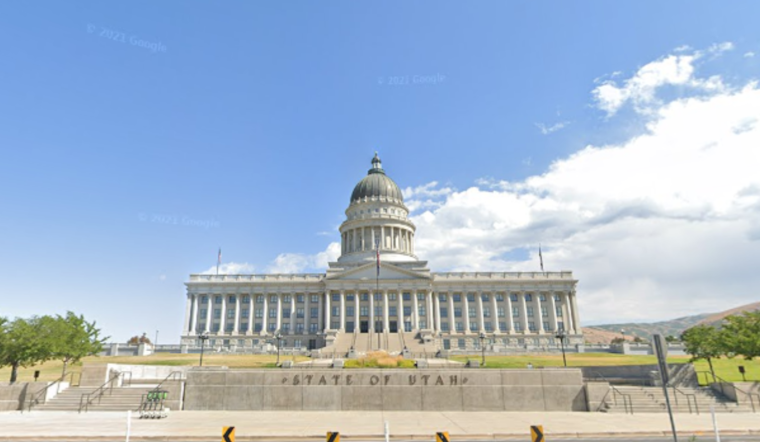
Controversy has taken root in Utah's legislative chambers as a bill to impede public labor unions from engaging in collective bargaining passed the House of Representatives despite bipartisan pushback. As reported by ABC4, the legislation faced opposition from both Democrats and several Republicans, evidencing the contentious nature of the bill that could reshape the public workforce landscape in Utah.
Amidst the debate, House Majority Whip Karianne Lisonbee, a Republican from Clearfield, defended the bill's provisions. "Let’s be clear – this bill does not prohibit public sector unions," she stated, as observed by KSLTV. Her stance suggests that the bill aims to rather increase the individual voice of public sector employees. However, critics swiftly argue that by undermining collective bargaining, the bill effectively dims the power of unions to protect worker interests collectively.
The bill's repercussions extend across various public sectors, potentially affecting police, firefighters, and educators, among others. Representative Jen Dailey-Provost, a Democrat from Salt Lake City, articulated her disapproval by stating, "Despite the best intentions of the sponsor, I believe this legislation is anti-worker, it’s anti-family, and it’s anti-Utah values," according to KSLTV. Her sentiment echoes a broader concern about the potential impact on Utah's public service workforce.
At the heart of this legislative effort lies a fundamental shift in union dynamics. Mike Asay, a voice within the public worker community, explained that without the ability to fully collectively bargain, employees might be effectively discouraged from joining or remaining in unions. He told The Salt Lake Tribune, "[Lawmakers are] hoping that people will leave the union, and if they leave the union, there is no union." This strategy, some allege, aims to gradually dismantle the influence unions hold over political arenas, challenging what proponents see as a counterbalance to political ideologies that lean to the right.





