

























































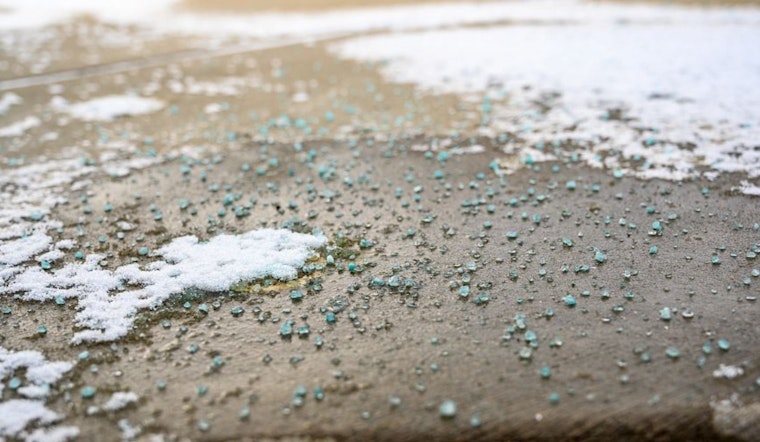
As Wisconsin braces for another cold winter, the Wisconsin Department of Natural Resources and Wisconsin Salt Wise are urging residents to temper their salt usage to protect the state's freshwater resources. The collaboration is promoting awareness through Winter Salt Awareness Week scheduled for Jan. 27-31, which will feature a series of YouTube livestreams to educate the public on the impacts of road salt and showcase strategies for freshwater conservation. Interested participants can register in advance or catch up on the Wisconsin Salt Wise YouTube Channel after the live events, as de.tailed by the Wisconsin Department of Natural Resources.
A staggering figure from Wisconsin Salt Wise indicates that just one teaspoon of salt can pollute five gallons of freshwater to levels toxic for freshwater organisms—a stark reminder amidst discussions on salting policy from speakers across the country, including experts from New Hampshire, Ohio, and Minnesota. Wisconsin's rivers have seen a marked increase in chloride levels, from about 600,000 tons annually in the early 2000s to a near 800,000 tons by 2018, according to the Wisconsin Department of Natural Resources. Fifty rivers and streams along with one lake in Wisconsin are now classified as impaired due to high chloride proceedings from winter salt use.
"All 43 of the long-term trend water quality monitoring sites across Wisconsin are showing increases in chlorides," said Shannon Haydin, Wisconsin Department of Natural Resources Storm Water Section Manager. Haydin highlighted concerns over Fresh Water Salinization Syndrome in Wisconsin, which poses threats not just to aquatic life but also to human health. Road salt damages infrastructure significantly across the nation, with an estimated $5 billion in yearly damages, while also potentially harming pets and increasing sodium levels in community wells, impacting individuals with salt-restricted diets.
The Wisconsin Department of Natural Resources advocates for a practical approach in decreasing chloride loads. Wisconsinites are encouraged to shovel snow early to reduce salt necessity, scatter salt sparingly so each grain has space, and switch to alternative deicing materials like sand or other ice melters that function well at sub-15-degree temperatures. Reduction efforts are also underway at the state level, where the Wisconsin Department of Transportation collaborates with counties to employ brine and pre-wet roads to cut back on salt usage. For a broader understanding of the measures to monitor chlorides and mitigate their effects, visit the Wisconsin Department of Natural Resources’s Salt and Storm Water webpage.




