

























































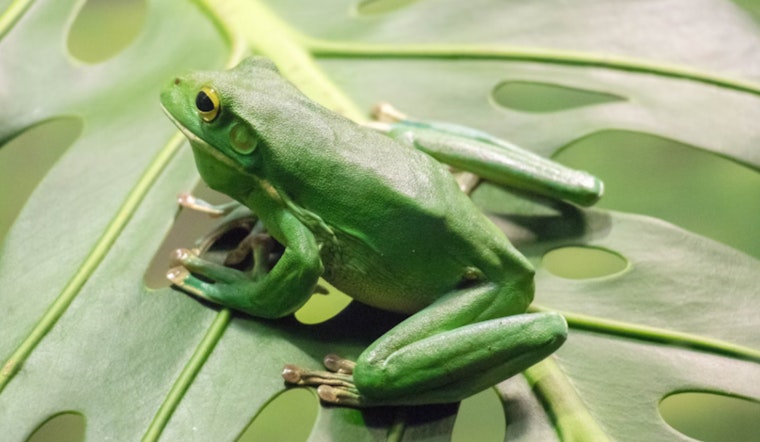
In a move to balance species preservation with necessary infrastructure upkeep, the Wisconsin Department of Natural Resources (DNR) is paving the way for Xcel Energy to proceed with maintenance of a transmission line in La Crosse County that might inadvertently impact a state-endangered frog species. This initiative, known as the "incidental take," is a legal acknowledgment of the potential unintentional harm to the Blanchard's cricket frog during the project's duration, with the Wisconsin Department of Natural Resources asserting that such actions won't significantly threaten the species or its habitat.
Xcel Energy is looking to replace a decaying cross-arm on a 161kV line traversing La Crosse Marsh, which will involve additional reinforcement around the base of wood poles at several other structures, these efforts are in anticipation of a more extensive rebuild that's on the horizon; during this process, there's a chance that some Blanchard’s cricket frogs may be taken as the presence of these rare amphibians has been confirmed around the project site.
Even though this development might sound concerning for conservationists, state biologists have conducted assessments and found that Xcel's maintenance work is unlikely to cause lasting damage to the frog population. According to a release from the Wisconsin Department of Natural Resources, essential conservation measures will be integrated into the project's permit as a proactive step to minimize impact on the endangered frogs while the work proceeds.
For those seeking more details on the potential impact and the measures put in place to protect the Blanchard’s cricket frog, the Wisconsin Department of Natural Resources has made available a jeopardy assessment and additional background information, interested parties can either visit the Wisconsin Department of Natural Resources Incidental Take Public Notices webpage or reach out directly to Wisconsin Department of Natural Resources Conservation Biologist Stacy Rowe, who has been deeply involved with this process, overseeing the balance between conservation efforts and infrastructural maintenance.




