

























































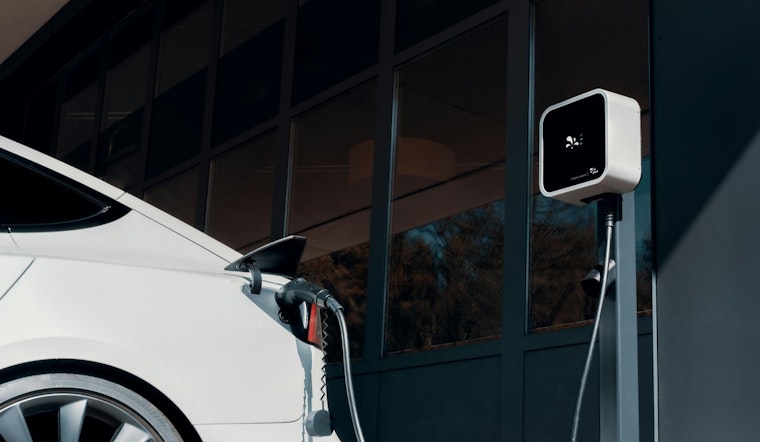
As the new year approaches, Wisconsin gears up for several legislative changes targeted at the state's ecological footprint and its fiscal health, and as we bid goodbye to 2024, Wisconsinites who drive electric vehicles (EVs) should prepare for a new tax that kicks in with the turn of the calendar. Starting today, EV owners will be taxed 3 cents per kilowatt-hour when utilizing public charging stations; this move is positioned by the state to bolster the funding needed for road maintenance and infrastructure, which is increasingly urgent with the rising shift towards electric vehicles, according to WISN.
The specifics of this tax, applicable to electricity delivered to vehicles via public Level 3 chargers, or Level 1 or 2 chargers installed after March 22, 2024, will not affect residential EV charging stations, with the exception of those in hotels, this initiative also requires stakeholders such as owners, operators, managers, or lessees of EV charging stations to register with the Wisconsin Department of Revenue, ensuring compliance with the new excise tax; as reported by TMJ4, EV owners like Andrew Jordan and Emily Bunzel, who had only recently entered the EV market, seem undeterred, emphasizing that despite the tax, "with the amount of money we're saving not doing gas, those three cents [are] still negligible, we're saving so much charging with electric," as TMJ4 conveyed from their interview.
Additionally, the onset of 2025 marks the advent of another consumer-friendly regulation concerning Wisconsin's state parks; commencing with the new year, anyone procuring an annual state park sticker will enjoy its validity for at least 12 months from the sticker's date of purchase, allowing for extended access compared to the previous term constraints of the calendar year, this change, clarified by the Wisconsin Legislative Council, ensures that park enthusiasts can now maximize their investment over a full year, regardless of when they make their purchase, for example, an annual sticker acquired on March 1, 2025, will be valid all the way until March 31, 2026; a more equitable and logical model acknowledged in the overview provided by FOX6 News.
While the EV tax is expected to pave the way for a more equitable distribution of roadway costs, Department of Revenue Secretary Designee David Casey articulated the spirit behind the levies, affirming that "The excise tax represents a crucial source of revenue for maintaining Wisconsin's roadways and infrastructure," and with it, "It will help ensure continued funding for road repairs and construction as Wisconsin drivers increasingly make the switch to electric vehicles, while creating a more equitable system in which all drivers contribute to road maintenance costs," as publicly shared by WISN, signaling the long-term benefits that potentially outweigh the immediate costs to electric vehicle owners, in the broader context of a state grappling with the same concerns that come with innovation and conscientious living.




