

























































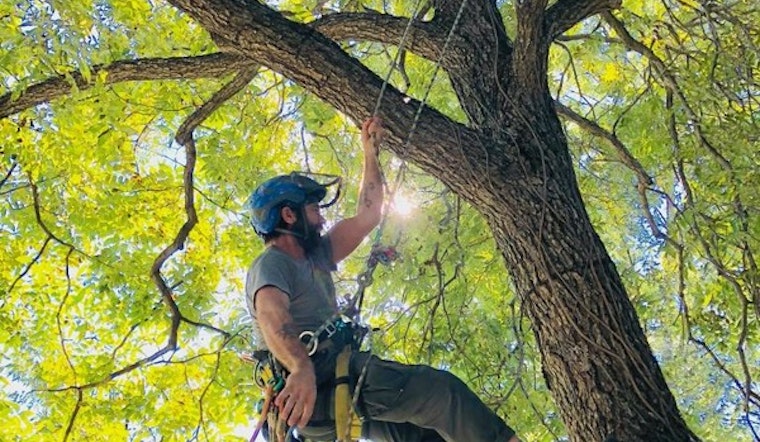
While the tech scene in Austin continues to expand, there's another network quietly branching out across the city: Austin's urban forest. Steered by the Parks and Recreation Department's Forestry Team, more than 300,000 parkland trees are getting some serious TLC. These leafy assets provide residents with way more than just shade. According to the city's Parks and Recreation Department, they're a trifecta of environmental, economic, and social benefits. That's something money can't buy.
But let's dig in. With a dedicated team of 35 Arborists and tree enthusiasts, these pros are out there planting, watering, and maintaining trees dotted across over 300 parks. Not only are these folks skilled in the art of arboriculture, but they're also climbing trees with safety as their guiding star – and yes, that's a figure of speech, just in case someone starts looking up for harnesses in the sky.
The urban greenery scene isn't without its foes, however. Rapid urbanization, hotter temps thanks to climate change, and stretched-thin resources are all staging a coup on the city's tree canopy. Ever adaptive, the Forestry Team's not taking this lying down. In alliance with other city departments and stakeholders, they're knee-deep in strategy, ensuring trees are factored into the city's development plotline. Trees: 1, Concrete Jungle: 0.
By 2034, Austin's Urban Forest Plan paints a picture of a leafy utopia: a diverse, sustainable, and accessible canopy, especially for neighborhoods that got the short end of the stick historically. This plan isn’t just your average pie-in-the-sky dream; it’s laced with tactics for improving tree diversity, expanding canopy coverage, and letting data do the heavy lifting when it comes to planting and maintenance prioritization.
Closing the loop, Austin's PARD Forestry Team is all in on making sure the city's wooded brethren are part of the community's success story. It's a tale of more than just planting trees; it's about sowing the seeds for a healthier, leafier, and more resilient city for all the Austinites yet to come. And that, dear readers, is the kind of growth we can all root for.



