

























































Boulder residents might be noticing a slight uptick in their utility bills this year. As reported by the City of Boulder, the City Council approved a utility rate increase for 2025, with the average residential bill going up by $8.61 per month. But before you start to groan about the extra cost, let's break down where that money is going to see if it's being put to good use.
The revenue from your utility bill doesn't disappear into thin air, it's earmarked for maintaining and improving Boulder's essential infrastructure. With aging systems a significant concern, the city has set out to upgrade its water mains, sewers, stormwater systems, and more. These projects are vital to not only keep the water flowing but also to ensure public health and safety. The Boulder City Council and the Water Resources Advisory Board meticulously review these rates annually to support these increasing costs, as an attempt to ensure that Boulder's infrastructure sustains its quality of life not just now, but for generations to come.
What exactly are these utilities, you might ask? Well, Boulder's utility bill covers three main areas: the Water Utility, Wastewater Utility, and Stormwater and Flood Management Utility. The Water Utility is focused on providing safe and affordable drinking water. An impressive stat to note is that Boulder's water treatment facilities crank out about "5,600 million gallons of clean drinking water for the Boulder community every year," as stated by the City of Boulder. But it's not just about quantity, quality is a top priority, with over 450 water quality parameters routinely monitored, a significant majority of which are undetected in Boulder's water.
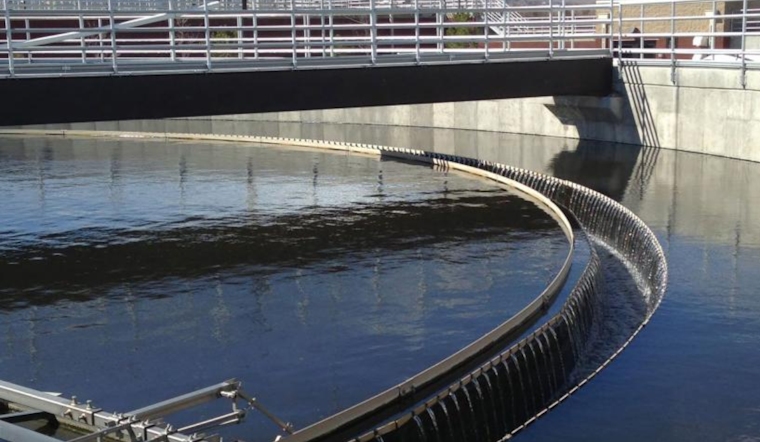
The Wastewater Utility has its hands full with a substantial task, dealing with the city's old sanitary sewer lines, some of which date back to the early 1900s. The city also runs a Wastewater Resources Recovery Facility (WRRF) where "all of Boulder's wastewater is treated to exceed minimum permit criteria," according to the City of Boulder. That's no small feat, especially considering the facility processes almost 4,000 samples a year to ensure compliance, not to mention its biogas recovery system which is projected to have a simple payback by 2027.
Lastly, the Stormwater and Flood Management Utility isn't to be overlooked. Boulder has a reputation for being at high risk for flooding, hence this utility is a key player in managing that risk. With updated plans that prioritize equity and regulatory compliance, the utility supports maintenance for a comprehensive stormwater system. Not only does your bill go towards keeping you safe from floods, but it also ensures this crucial work respects the latest floodplain regulations.





