

























































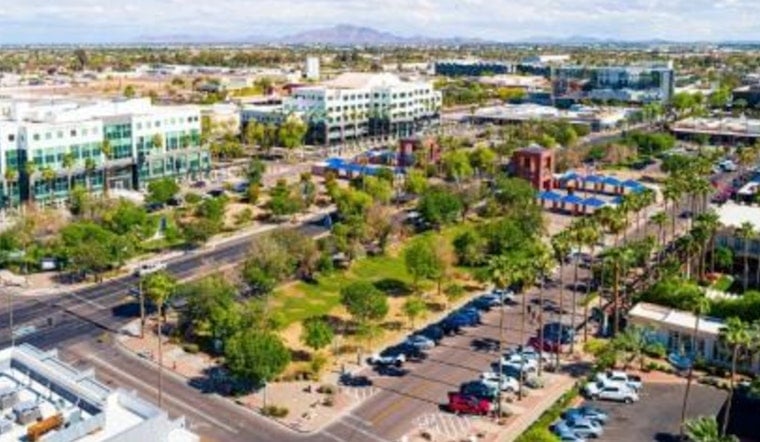
The Chandler City Council has given the green light to a new 21-member Resident Advisory Committee, tasked with steering the impending update of the city's General Plan, which must be refreshed every decade per state mandates, as reported by the city's official news center. This blueprint is critical to directing land use and growth in Chandler, which finds itself with only a fraction of undeveloped land left—832 acres to be precise, with most earmarked for commercial rather than residential purposes.
Revamping the General Plan is not just about land use; it also intersects with the city's water resource management, as Chandler looks to harmonize its land development aspirations with water allocations planning to ensure sustainability and vibrancy for the times ahead, while the city itself is close to maxing out its available space for development. City Council also turned its attention to the evolution of the Downtown Region Area Plan in a recent joint session with the Planning and Zoning Commission, setting sights on a summer completion date—a plan that aims to revitalize the downtown core and adjacent areas by encouraging multi-use development, balancing the preservation of historical charm with the need for economic buoyancy.
At the heart of the General Plan update lies integration, as highlighted by the ongoing Comprehensive Housing Plan, which takes a hard look at Chandler's housing inventory, its affordability curve, and the demands the future holds, in light of the 12,048 single-family and multi-dwelling units constructed since 2016, as per the city's official news source. It's a balancing act of urban growth, heritage conservation, and resource management—one the new Resident Advisory Committee will navigate as they shape both the material and the character of their city for the coming decade.
Details from the City Council's discussion on the Downtown Region Area Plan divulged policy suggestions for the repurposing of industrial sites east of Downtown Chandler, blending residential and commercial usage to forge more housing and business opportunities, attempts to create vibrant entrances to the downtown region, improving alleys for foot traffic and plans for redirecting commercial trucks to alleviate downtown congestion.





