

























































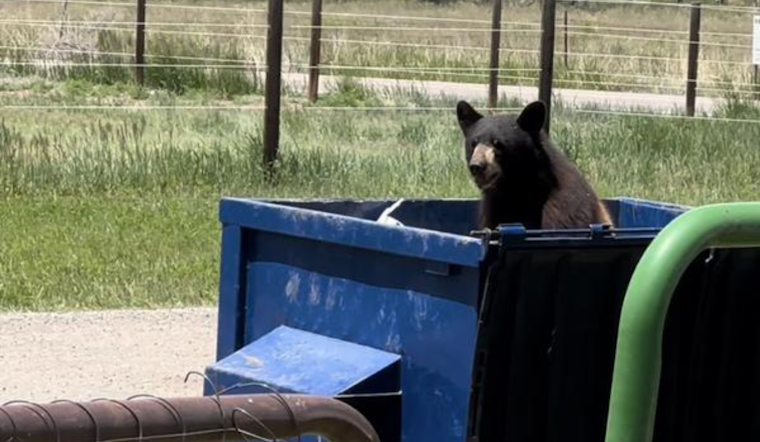
Colorado's wildlife authorities have registered an uptick in bear-human interactions in 2024, with Colorado Parks and Wildlife (CPW) clocking in 5,022 reports, an increase of 14.8% over the preceding five-year average. The data points to trash as the primary magnet for these potentially dangerous encounters. Analyzing the numbers further, of the total incidents last year, 2,225 involved some form of property damage, where bears meddled with sheds, homes, garages, vehicles, and fences, as reported by Colorado Parks and Wildlife.
It's not just improper trash disposal stirring problems; 21% of the conflicts were linked to livestock, chickens, and beehives while 18% to attractions like bird seed, and pet food, barbeque grills, coolers, and refrigerators. Since the launch of CPW's bear reporting system in April 2019, designed to help track these feisty ursine moments, a whopping 26,913 reports have been lodged, offering a vital intel source for wildlife managers striving to dial down the frequency and severity of such occurrences.
In light of the natural variance in food supply due to drought, freeze, or inconsistent precipitation, 2024 saw a mixed bag of bear activity levels across Colorado. Areas with scarce acorn and berry yields saw more bears veering into residential zones, causing not only property damage but also increasing vehicle collisions. Despite strides in public education and collective response efforts, CPW is pushing for a more rigorous application of deterrent practices for a sustainable coexistence with the bear population.
Community concerns about the fate of a reported bear can often deter the public from picking up the phone. However, CPW data reassuringly shows that a minuscule 1.95% of the bear reports led to euthanization. "The vast majority led to wildlife officers getting involved early enough to prevent the need to euthanize a bear," as noted by Colorado Parks and Wildlife. When given a heads-up at the nascent stages of a conflict, officers leap into action with educational initiatives, home visits to secure potential bear lures, and occasionally deploying relocation strategies as a preemptive measure before a bear's behavior scales to a danger necessitating euthanization.
CPW's tally also recounts the number of bears moved and euthanized over the past four years, underscoring their persistent reminder that by adopting straightforward, proactive measures, residents can deter unwelcome bear visits. These include securing garbage, restricting bird feeders seasonally, and fortifying compost, along with awareness and prevention tactics detailed in the agency's bear-proofing guidelines for homes and camping scenarios.




