

























































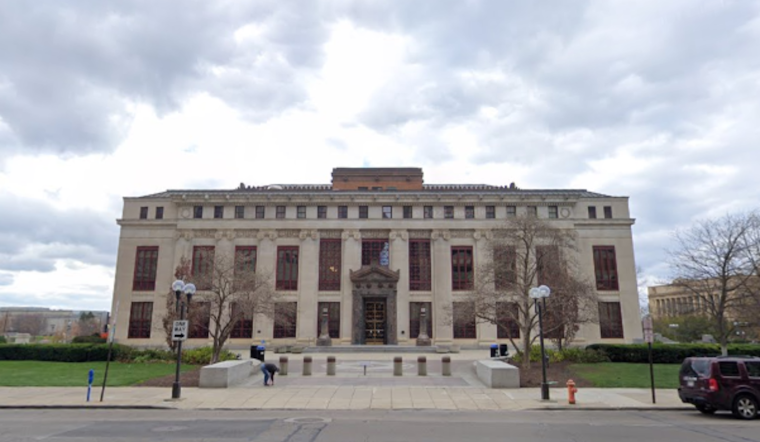
In an effort to tackle the mounting issue of housing instability, the Columbus City Council gears up to review a substantial $13 million in proposed budget amendments, including a critical $5 million boost for the local shelter system. The upcoming Monday session will place these amendments under scrutiny, a move aimed at bolstering the city's support for those in need.
According to an announcement by the Columbus City Council, the additional funds would raise the General Fund contribution to the shelters to a total of $10.7 million, surpassing the initial $5.7 million proposal. Council President Shannon G. Hardin underscored the city's responsibility in developing robust solutions to these "big-city problems," acknowledging that while the funds will maintain operational shelters, the quest for lasting resolutions must persist. "But we need to continue to work to find long-term solutions for increased housing instability and homelessness," Hardin stated, showcasing the need for proactive strategies to combat the issue long-term.
Shedding light amid a year marked by budgetary constraints, Councilmember Nick Bankston highlighted the significance of shelter funding, citing its vital role in the city's overall well-being. "Funding our shelter system will always be a priority and is vital health of our city," said Bankston through the Columbus City Council, both member and Finance and Governance Chair. This sentiment reflects a recognition of these services' integral part in sustaining community health.
Apart from aiding shelters, the amendments also earmark funds for diverse priorities, touching everything from educational initiatives like the Columbus Promise program, earmarked with $2 million, to an expanse of human services partnerships. These efforts include nutrition programs, aid during extreme weather, and backing for veterans and seniors. Aiming to foster a more inclusive economic landscape, support is also set for small and minority businesses, evidenced by programs such as the Urban Business Connection and the Experience Columbus Minority Business Program. Moreover, acknowledging the city's historic fabric, a study focused on historic preservation is included in the council's budget considerations.
Financially, Columbus grapples with a $1.5 million budget gap for 2025, precipitated by both a revenue drop and spending overflow. The City Council plans to bridge this void by reallocating unused restricted-use funds, adjusting the Building & Zoning Services fund, reworking a Department of Technology grant agreement, and trimming back funding earmarked for economic development incentives. It's evident the council is undertaking these budget amendments with a focus on sustainability and strategic reallocation of resources to prioritize immediate needs.
Pivotal initiatives such as the Access to Counsel program remain at the forefront of council members' agendas, as stated in a commitment to concerted efforts with the Mayor to fund critical measures supporting Columbus residents. This collaborative spirit serves as a backdrop for the proposed changes designed to reinforce the city's capacity to meet its citizens' immediate demands while laying the groundwork for enduring, positive change within the community.




