

























































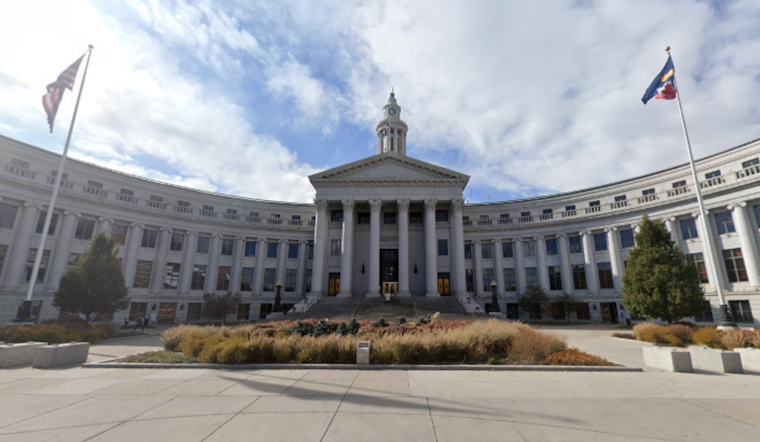
Denver's city government, a consolidated city-county, operates under a strong mayor system where the elected mayor holds significant sway over the city's affairs. The mayor's authority includes approving or vetoing council-approved ordinances, overseeing city contracts, handling the municipal budget, and making key appointments. According to the University of Denver, Denver's mayor and the thirteen-member city council, with eleven district-elected members and two at-large, collaborate non-partisanly to guide city legislation, after giving residents a chance to voice their opinions through public hearings.
The Denver City Council, with an individual like Councilman Paul Kashmann for District 6 at its helm, has the power to override mayoral vetoes, provided they secure a nine-member majority. They're also tasked with budget approvals and can amend said budget by majority decision. An important note, the council isn't without its oversight capabilities, it can summon inquiries into the conduct of municipal department officials. Peculiarly, when it comes to university-related matters involving the city, the Office of Government Relations and Community Affairs is the designated point of contact, streamlining issues ranging from education policies to local public safety and infrastructure concerns.
The University of Denver's bond with local governance isn't a ceremonial one, it's substantial. The relationship touches upon critical community and economic aspects, including but not limited to sustainability efforts, workforce and economic growth, transportation, and public health initiatives, as outlined by the university's administration. Moreover, DU seems deeply involved with local social challenges, considering its active roles in discussions around affordable housing, police reform and equity, mental health, and social justice.





