

























































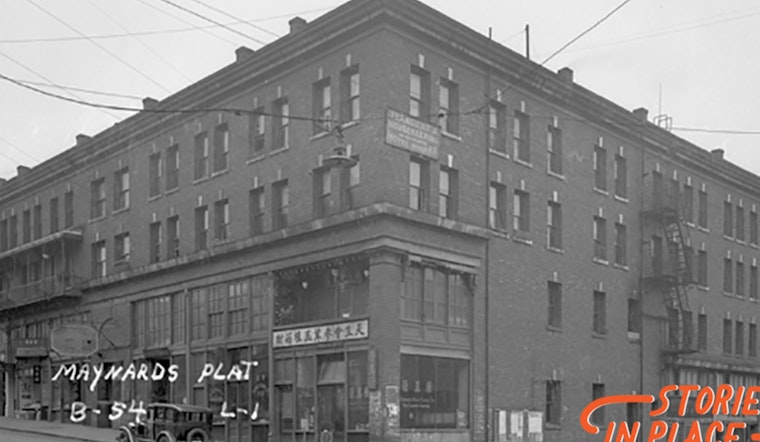
The reminiscence of a time when extended families lived above their businesses in Seattle's Chinatown unfolds in "Stories in Place: Grandpa’s Room (West Kong Yick)", a heartfelt piece shared by Betty Lau. It tells the story of her grandfather moving into the West Kong Yick building, drawn by the proximity to the family association and the pulse of Chinatown. In an era where the intricacies of survival for Chinese families revolved around community support, four families—the Laus, Quans, Changs, and Chews—came together as Long Kung Tin Yee for mutual aid and protection. Lau's narrative reveals a glimpse into this collective life from an intimate, familial perspective.
The West Kong Yick building, residing on South King Street, served as a haven for Lau's grandfather and was rooted in the midst of what's termed as the third Chinatown. Here, children learn the values and traditions of their heritage. Despite the spartan yet functional setup of Grandpa's rented room, it was rich in experiences and lessons for Lau and her siblings. The tales of Lau's childhood visits to Grandpa's room are full of mischief and misadventure, like the time they ran outside against Grandpa's instructions, earning the wrath of their elder's belt—a chastisement not unfamiliar in the discipline customs of the time. The children's thread of disobedience provoked an incident that they would never forget, nor repeat.
Life in Chinatown was not merely a set of familial obligations and strict observances. Lau recalls moments of warmth and protection offered by Grandpa, from secretive servings of leftovers to pretenses of stern discipline in the face of authority. In an interview with the author, she expressed how Grandpa's duplicity in front of her father, claiming the children had been perfect angels, preserved their innocent ventures and shielded them from harsher consequences. These acts of subtle rebellion within the confines of the West Kong Yick walls stood in sharp contrast to the fear and obedience demanded by the strictures of the time.
Finally, Lau's family history reflects the broader narrative of Asian immigrants in America. The random anglicization of their last names by immigration officials—a flip of a coin that decided whether one was a Lau or a Lowe—is a poignant detail that demonstrates the historical haphazardness that affected the identities of countless families. Told through Lau's lens, the West Kong Yick building stands not just as a structure of brick and mortar, but as a repository of the complex tapestry of immigrant life, community, and heritage in Seattle's Chinatown—a testament to the enduring bond of family amidst the turbulence of assimilation and change.




