

























































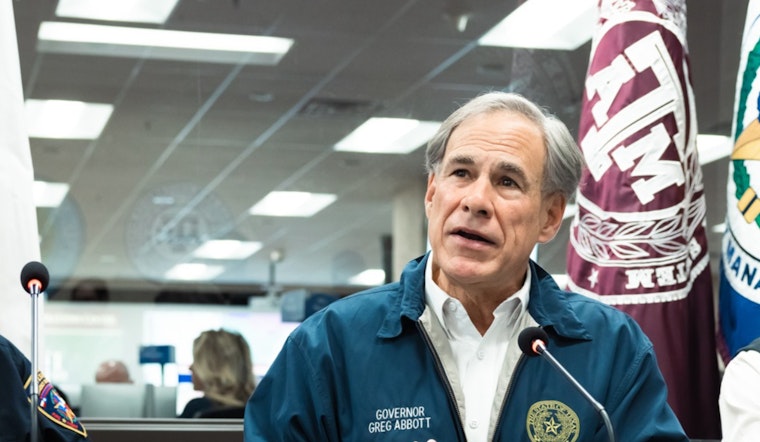
On Monday, reports emerged of a federal operation focusing on "criminals & illegal immigrants" at Colony Ridge, a development near Houston criticized by conservative figures for selling land to undocumented immigrants. Governor Greg Abbott claimed to have coordinated this effort with former President Donald Trump's immigration adviser Tom Homan. According to CBS Austin, the operation was part of an ongoing scrutiny which has classified the 33,000-acre development as a haven for undocumented individuals, with some even suggesting it has ties to cartels.
Abbott's announcement on social media failed to provide specifics about the operation. Flanked by uncertainty, a spokesperson for Abbott directed questions to the Department of Homeland Security, which has been silent on the matter. While the lack of arrests had been confirmed by Monday afternoon, the Texas Department of Public Safety, assisting federal agents in the operation, also refrained from commenting on any details. This veil of silence raises questions about the operation's nature and its effects on the targeted community.
The involvement of law enforcement in Colony Ridge has indeed been long-standing, with a DPS sergeant indicating to the Houston Chronicle that similar operations had been commonplace for two years. Yet, echoes of a more forceful clampdown on immigration issues reverberate through the community, especially considering how Colony Ridge has been positioned in political crosshairs. Following the conservative uproar, the U.S. Department of Justice and Texas Attorney General Ken Paxton filed independent lawsuits against the property developers for alleged predatory lending targeting Latino homebuyers, accusations both parties have since denied.
Meanwhile, the community of Colony Ridge lives in a tense atmosphere. The mere suggestion of raids has the potential to send shockwaves of panic. As the director of an immigrant-led civil rights organization drove through the development, purportedly live-streaming, he was stopped by a DPS trooper supposedly for a missing license plate, which was present, revealed Cesar Espinosa during a news conference. The anxiety in the area is palpable, as expressed by Espinosa who stated, "Who knows what else could have happened." Such incidents underscore fears concerning law enforcement's presence and agenda.
Concern extends beyond just the undocumented individuals, touching on the lives of former Colony Ridge customers turned activists. Sisters SuEllen and Keilah Sanchez, once entangled with the developers, acknowledged the complexity of enforcement actions in a statement emphasizing the dire state of resident living conditions and the elusive promise of the American dream. They underscored the importance of hearing the community's real stories and experiences beyond the policy arguments and political posturing.
With government operations in Colony Ridge casting shadows over the community, the full impact of these federal activities remains as murky as the waterways that have previously flooded the contentious development.




