

























































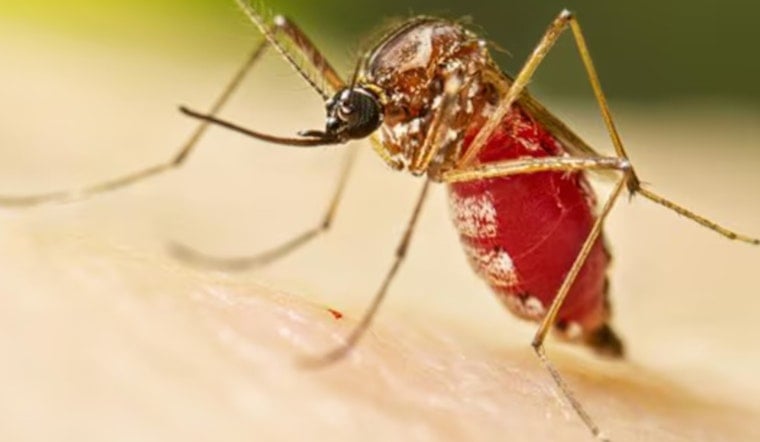
As memories of the 2015-2016 Zika virus epidemic begin to fade, the Center for Infectious Disease Research and Policy (CIDRAP) at the University of Minnesota, in partnership with global health leaders, have identified a range of research priorities to bolster preparedness and counteract future outbreaks. Jointly published in The Lancet Infectious Diseases and The Lancet Microbe, the set of four manuscripts comes as a hard-hitting reminder that Zika still poses a significant threat, particularly to unborn children in infected pregnant women and lacks licensed vaccines or routine diagnostic tests.
The gravity of these gaps in defense against the virus led experts to advocate for advancements in diagnostics as a cornerstone for handling future threats. "Developing accurate diagnostic tests is central to Zika virus research, epidemiology, prenatal screening, and clinical care," the CIDRAP-led team emphasizes in one of their articles published this week. Moreover, the team argued that to systematically improve Zika virus defense, it’s necessary to globally fortify surveillance systems and laboratory capacities, which are crucial to early detection and prompt reaction to outbreaks. The effort underscores that despite past devastation, Zika has dangerously become another "out of sight, out of mind" concern, warranting an urgent call to reinvigorate research and development.
With no licensed vaccines or monoclonal antibodies (mAbs) available against Zika, the focus also shifts to accelerating the development and regulatory approval of these crucial medical tools. The need is urgent, given that vulnerabilities remain unaddressed, especially for those with prospects of pregnancy. Their published works point toward a need to validate the protective immune responses elicited by vaccine candidates and explore the potential of mAbs for preventative applications, as echoed in their call to action. "Evaluation of Zika virus vaccine safety and efficacy," the manuscripts stress, is a shared responsibility that must transcend periods of both high and low virus transmission to ensure readiness when it’s most needed.
In another critical area, research using non-human primate models has carved its place as an indispensable element of Zika virus study. These models have provided an in-depth understanding of congenital brain injuries caused by the virus. "Non-human primate research has served as the gold standard for understanding pathogenicity and immune response related to Zika virus infection in pregnancy, and it is foundational for testing the benefits of vaccines and other medical countermeasures on fetal protection," reported The Lancet Microbe. Furthermore, they highlight the necessity to maintain funding streams even when the virus isn't making headlines, so that advancements can continue to rapidly develop protectors against congenital Zika infections and beyond.
Finally, the collective research acknowledges the importance of concerted specimen and data sharing as a driver for progress in countermeasure development. Legal and ethical concerns, as well as issues around intellectual property, have made this a challenging task. But according to experts, creating a global framework for data sharing is a critical aspect of preparing for the potential return of Zika. "Continual engagement of all Zika-endemic countries in specimen and data sharing is important to ensure early alerts of outbreaks," is a repeated call to action that aims to solidify a robust defense against this insidious threat, as per the University of Minnesota news released. In summary, the consensus is clear: consistency and global cooperation can make the difference between proactive prevention and reactive desperation.





