

























































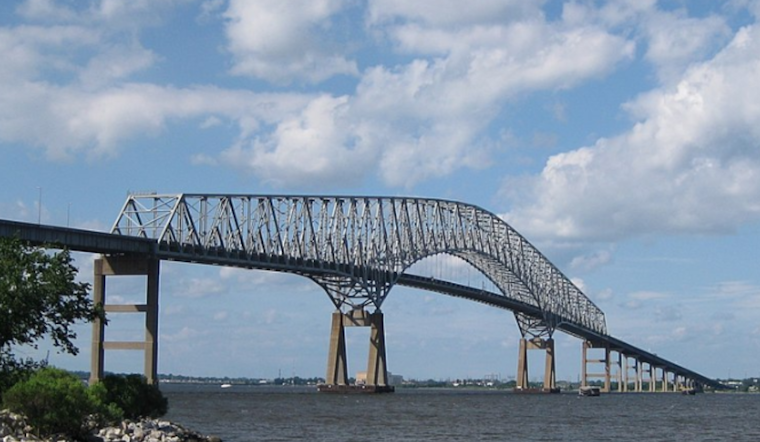
The future of Maryland's transportation and commerce has a new beacon of hope as Governor Wes Moore, together with the Maryland Transportation Authority (MDTA), is poised to reveal the first glimpse of what the new Francis Scott Key Bridge will look like. This announcement follows the tragedy that struck on March 26, 2024, when the bridge was brought down by the cargo ship, the Dali, leading to the loss of six lives as workers plunged into the Patapsco River, as reported by CBS News Baltimore.
The impact of the bridge's collapse reverberated through the local economy and the nation's supply chain when operations at the Port of Baltimore—one of the largest in the country—were interrupted. This pause in the flow of goods did not quickly resolve; a channel did not open for small boats until April and cargo ships until June.
In response to the disaster, former President Joe Biden and Maryland officials argued that federal funds should be used to cover the reconstruction costs. This advocacy successfully concluded with lawmakers announcing in December that federal funding would fully cover the rebuilding expenses—though with the stipulation that the federal taxpayers would eventually be reimbursed through insurance payments and litigation, per CBS News Baltimore.
With the design and construction contract awarded to Kiewit Infrastructure Company for $73 million and the additional $75 million contract for general engineering consultant services handed to the Bridging Maryland Partnership, pre-construction activities have started to move forward swiftly. According to WBAL-TV, these preliminary steps include home and business inspections, riverbed scanning, soil sample collection, and extensive surveying. The anticipated completion of this massive $2 billion project is in the fall of 2028.





