

























































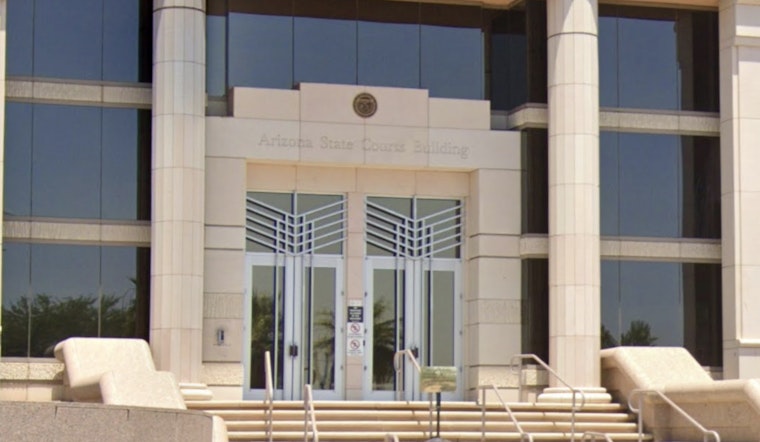
The Arizona Supreme Court officially welcomed Maria Elena Cruz on Monday, swearing her in as the first Latina and Black state supreme court justice. A native of Yuma, Justice Cruz's appointment marks a historic first for Arizona, aligning with the state’s evolving demographics, which include a growing Hispanic and African American population. According to FOX 10 Phoenix, Cruz said, "It is an honor to be able to do this work."
At 52, Justice Cruz has reached this position after a legal career that included roles at the Yuma County Superior Court and the Cocopah Indian Tribal Court. Her approach to applying the law is shaped by her background and values. Cruz's appointment to the Arizona Supreme Court was supported by leaders from both political parties—appointed to the Arizona Court of Appeals by Republican Governor Doug Ducey and nominated for the Supreme Court by Democratic Governor Katie Hobbs. In a statement obtained by FOX 10 Phoenix, Cruz emphasized, "We’re not here to push forward our own personal agenda, our own personal preferences. We are here to uphold the law."
During her tenure on the Court of Appeals, Cruz oversaw important cases that affected the lives of Arizonans. This included decisions such as ruling against a legislative effort to block lawsuits related to COVID-related injuries and supporting debtor protections. Cruz also dissented when the majority of the appeals court allowed a woman to use frozen embryos against her ex-husband's wishes, reflecting her approach to complex legal issues. With the Arizona Supreme Court’s discretionary review power, she is set to continue influencing rulings on matters of statewide importance.
Cruz's appointment also brings an ideological shift to the seven-member court, as she is the only justice to have been appointed by a Democratic governor. According to an ABC15 interview, she stated that her unique perspective is "going to inform how I relate to the other six justices." With experience in municipal, state, and federal courts, and both defense and prosecution roles, Cruz intends to clearly communicate the court's work to Arizonans. "Because these decisions affect people in a very direct way, it is important that we don't leave it up to others to give meaning to the work that we're doing." Her first case on the docket will be the property dispute, Dominguez v. Dominguez, slated for February 27.





