

























































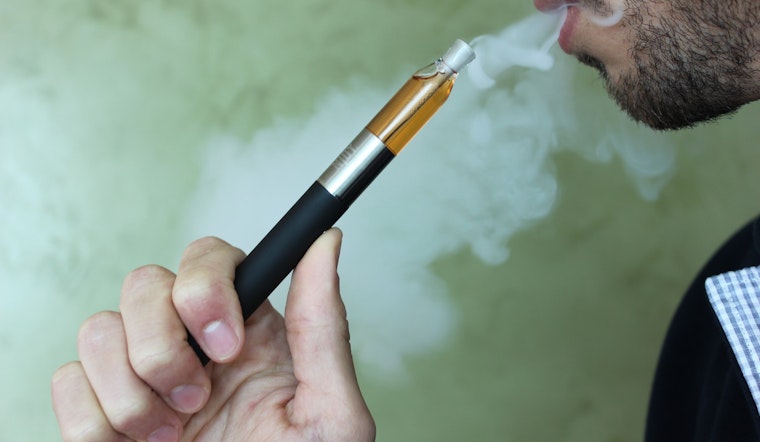
Michiganders who enjoy vaping might want to prepare their wallets for a potential increase in costs as Gov. Gretchen Whitmer has introduced a proposal to tax vaping and non-tobacco nicotine products, aiming to align them with the state's taxation of other tobacco products. The proposed "vape tax," part of Whitmer's $83.5 billion budget plan, is estimated to generate approximately $57 million in annual revenue, with the majority earmarked for public health initiatives.
As reported by WWJ Newsradio, about $42.8 million out of the total estimated revenue from this tax would support programs focused on smoking and cancer prevention, as well as mental and physical health initiatives for the youth, and broadening access to healthcare. Supplementing the proposal is a request for $2.5 million aimed at funding enforcement and compliance measures specifically for this new tax, overseeing vaping and non-tobacco nicotine products.
The ABC12 article outlined that the tax on vaping supplies would parallel the established state taxes on cigarettes and other smoking products, which currently stands at $2 per pack for cigarettes and 32% on wholesale for other tobacco products. This suggested tax comes as part of a budget proposal presented to the Michigan Legislature, which now enters into discussions with an early July deadline to finalize a budget for the fiscal year starting on October 1.
Meanwhile, advocacy for public health seems to override the potential controversy of the tax. 9&10 News conveyed words from Kezia Ofosu Atta, Michigan advocacy director for the American Lung Association, who stated, "We believe that increasing tax on all tobacco products is an effective and science-based policy that would lead to more quit attempts." They urged the governor to consider raising the cigarette tax as well to avoid pushing consumers toward more traditional forms of smoking.
However, the proposed tax faces probable headwinds from House Republicans, who control the Michigan House. While Democrats hold the Michigan Senate, state Sen. Aric Nesbitt, a Republican, signaled a need for budgetary conservatism. He criticized what he perceives as unnecessary spending and urged for cuts, making reference to spending reductions under President Donald Trump's federal administration, as noted by ABC12. The debate over the proposed vape tax now becomes part of a larger conversation about fiscal responsibility and public health amidst bipartisan tensions.





.jpg)