

























































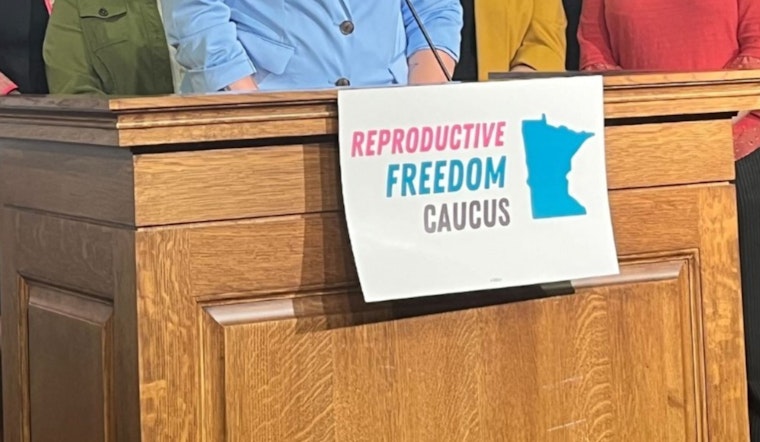
On January 31, Minnesota marked a significant milestone with the two-year anniversary of the Protect Reproductive Options (PRO) Act, legislation that bolstered the state's commitment to reproductive freedom following the Supreme Court's decision to overturn Roe v. Wade. According to a statement from the Reproductive Freedom Caucus chairs Senator Erin Maye Quade and Representative Leigh Finke, the PRO Act's passage was a critical step in protecting individuals' right to reproductive autonomy and addressing the fears that had arisen among providers, patients, and families.
Yet, despite Minnesota's legislation, the current political landscape presents fresh challenges with the new administration and federal government exerting pressure against reproductive rights; within a span of just over a week, a flurry of executive actions aimed at limiting these rights were issued, coupled with the introduction of a national abortion ban by the U.S. House and the State Department's indication of joining the Geneva Consensus Declaration, a move that could further threaten reproductive and LGBTQ rights.
The Reproductive Freedom Caucus, as the largest caucus in the Minnesota legislature, has reaffirmed its commitment to defending personal freedoms and continues to advocate for bodily autonomy. "Minnesota is and will remain a beacon of justice, care and self-determination for all," the caucus leadership promised, underlining the state's stance as a haven for reproductive rights at a time when they are under siege at the national level.
Commemorating the anniversary of the PRO Act serves as a reminder of the ongoing struggle for ensuring equal access to reproductive health care, emphasizing a vision for the future rooted in the freedom to decide on family building, this vision aims for a society where marginalized groups, including Black women, Indigenous women, and women of color, as well as transgender and queer individuals, are fully recognized and supported. Despite the current federal administration's attempts to curtail these freedoms, the caucus's unwavering defense suggests a continued resistance against regressive policies aiming to undermine bodily autonomy and reproductive rights.



