

























































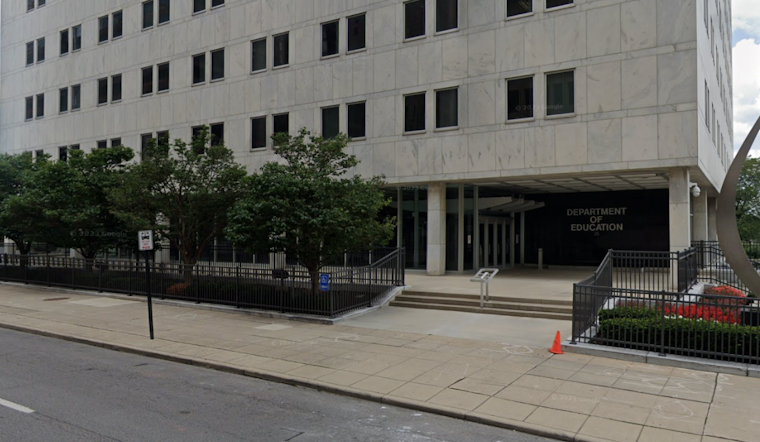
The Ohio Department of Education and Workforce is on the hunt for local nonprofit agencies ready to play a pivotal role in this year's SUN Meals summer food service program. As the summer months approach, the program aims to fill the nutritional gap for Ohio children ages 1-18, which widens when the school doors close and the regular supply of breakfast and lunch comes to a halt. Notably, individuals with disabilities and approved IEPs are eligible up to age 21, ensuring a broad reach of this critical program.
Free meals, funded by the USDA and under the aegis of the Ohio Department of Education and Workforce, are dispersed across various venues, including schools, parks, community centers, and more, as recorded in the Department’s SUN Meals site map. These sites, updated weekly throughout the summer, play host to the program's offerings. The program is known for its broad reach and accessibility, offering meals without regard to race, color, national origin, sex, age, or disability, as per a January 31st statement by the Ohio Department of Education and Workforce.
At the heart of the SUN Meals program is its sponsorship network, which includes a spectrum of organizations such as public or nonprofit private schools and colleges, government units, and other nonprofit entities. These sponsors feed the program's logistics and serve as its financial backbone, with reimbursements provided to cover meal costs. Potential sponsors in Ohio are encouraged to step forward and complete a survey by April 1 if they wish to join the 2025 roster of those combatting child hunger during the vulnerable summer months.
In the summer of 2024, Ohio's summer program made a monumental impact, with over 5 million meals served across over 2,000 sites in 79 counties, as detailed by the Department's announcement. Yet, the need for program expansion looms large, especially in southern Ohio and rural counties where food insecurity festers, and disruption to children's nutritional needs during school breaks can profoundly affect their health and growth.
For those facing barriers to accessing information due to language or disability, the program demonstrates an inclusive commitment. Assistance is available through means such as Braille, large print, and ASL, ensuring the message of nourishment transcends all modes of communication. Program discrimination can be reported via the USDA's formal complaint process. This institution, woven into the national tapestry of civil rights protections, stands against any form of discrimination based on race, color, national origin, or sex, including gender identity and sexual orientation, disability, or age.




