

























































Ohio is stepping up its law enforcement game, according to an announcement by Governor DeWine, which was reported yesterday. The state's recently implemented Ohio Collaborative Law Enforcement Accreditation Program has just handed out its seal of approval to ten law enforcement agencies, marking the first to meet stringent state standards. These protocols aim to comprehensively cover everything from unbiased policing to community engagement – quite the list of expectations for forces to live up to.
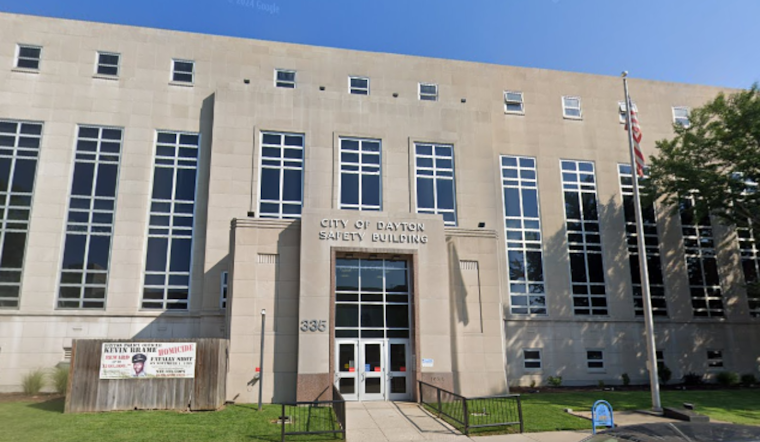
The Dayton Police Department and nine others are the inaugural recipients of this coveted nod. In what feels like a nod to service excellence, Ohio Governor Mike DeWine said, "The law enforcement agencies achieving accreditation today have reached the state's highest standards in professional excellence, integrity, and accountability." It's no small feat to subject yourself to such scrutiny voluntarily, yet the leaders of these agencies chose to undertake and complete the accreditation process seriously. This program is unique in the US for its zero-cost-to-participate structure – a seemingly small detail but potentially a giant leap for smaller departments often strapped for cash.
With new standards in play, Ohio's police are expected to serve and serve exceptionally. Andy Wilson, director of the Ohio Department of Public Safety, highlighted the addition of the new accreditation standard which mandates the testing of ballistic evidence. "This new standard will save lives by requiring accredited Ohio law enforcement agencies to submit all firearms and fired cartridge casings recovered or seized in connection with a criminal investigation to be analyzed and entered into the National Integrated Ballistic Information Network and National Tracing Center eTrace system," Wilson explained in a statement obtained by Ohio Governor Mike DeWine. It's about knitting closer the ties between evidence, investigation, and result – a fabric intended to wrap tighter around crime to clasp justice more surely.
Agencies eager to strap on this new standard of policing can find more information on the program's website. The path to accreditation isn't just a checklist; the collaborative team provides support to adjust the beat of local policies with the rhythm of state standards. While the program builds upon the earlier Ohio Collaborative Law Enforcement Certification Program, which has brought over 600 law enforcement agencies up to code on best practices, it's clear that certification is but a milestone on the longer road toward full accreditation.
The Ohio Collaborative Community-Police Advisory Board, established in 2015, works in tandem with various state entities and associations to ensure the relationship between police and community is a two-way street paved with mutual respect and transparent governance. The accreditation is more than a symbol – it's a proclamation that these departments embody the best the state offers and are dedicated to maintaining that standard. It's a promise of unwavering excellence to the communities they serve, a commitment Ohio hopes will be mirrored across its many precincts.




