

























































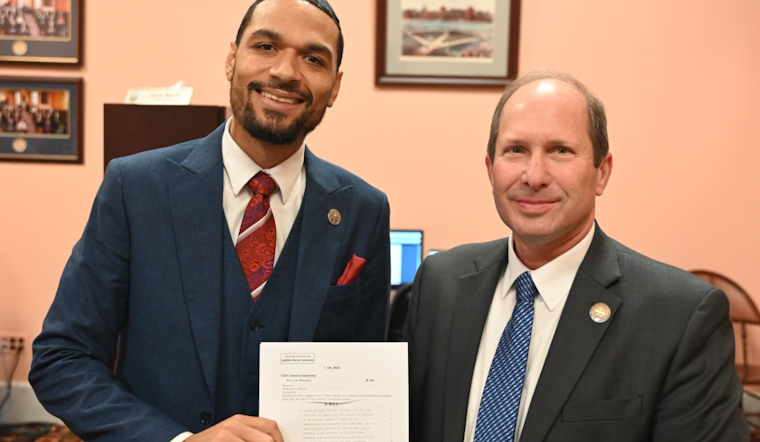
In a bid to strengthen Ohio's efforts to safeguard sexual assault survivors, State Representatives Roy Klopfenstein and Josh Williams have put forward a proposal aimed to amend the state's existing Sex Offender Registration and Notification (SORN) laws. The bill is set to introduce stricter residency and loitering restrictions for sex offenders, currently allowed to reside dangerously close to those they have victimized.
The legislation, which made its appearance in the statehouse recently, intends to expand SORN laws—laws that are crucial in monitoring sex offenders—to prohibit them from living within 2,000 feet of their victim and from loitering within 1,000 feet. "Eighty percent of sexual assaults are committed by someone the victim knows," Klopfenstein stated through the Ohio House of Representatives. He emphasized that changing the law is fundamental to protecting children and the broader community from known offenders who may be lurking perilously near.
Currently, Ohio law restricts sex offenders from living within 1,000 feet of educational institutions and childcare facilities. Still, it lacks measures to prevent them from residing next door to their victims, creating a gap that Klopfenstein and Williams aim to bridge. "Under no circumstance should a child fear their safety in their own home," Williams expressed through the Ohio House of Representatives, highlighting the urgency to protect children and other survivors from ongoing trauma and fear.
Taking cues from Oklahoma, where a similar law was enacted unanimously and has since been adopted by five other states, Klopfenstein and Williams are pushing forth a bill modeled after this precedent. The legislation, still awaiting a bill number and committee assignment, aims to quickly close what many see as a dangerous loophole in the current system, thus bolstering the safety net that prevents potential re-victimization. As the legislative process unfolds, advocates and communities will be closely watching, hopeful that safeguards for those affected will be firmly solidified into Ohio law.




