

























































For Oregonians, the ground beneath our feet isn't as solid as we'd like to think – earthquakes are a real risk that requires serious preparedness, according to new guidance from the Oregon Office of Emergency Management (OEM). Acknowledging the past tremors that shook the state in 1993 and the ever-present threat of a catastrophic event from the Cascadia Subduction Zone, OEM urges residents to get ready before the earth decides to move again.
The 1993 Scotts Mills and Klamath Falls quakes ignited a call to action for Oregon's preparedness community, prompting the development of resources like the "Living on Shaky Ground" guide and the "Be two weeks Ready Toolkit," which provide practical steps toward earthquake readiness – from emergency plans to community involvement, OEM has tailored these resources for Oregon's unique seismic landscape, as reported by the Oregon Department of Emergency Management. However, the true test of their efficacy lies in their implementation by Oregon's citizens and the time to prepare is now, before another earthquake strikes without warning.
According to OEM, key steps include securing your home by fastening heavy furniture and ensuring gas lines are flexible, as well as building a comprehensive emergency kit stocked with essentials like flashlights, non-perishable food, and a weather radio. Preparation extends beyond the home. The OEM encourages practicing earthquake drills, learning basic first aid, and joining local emergency response teams.
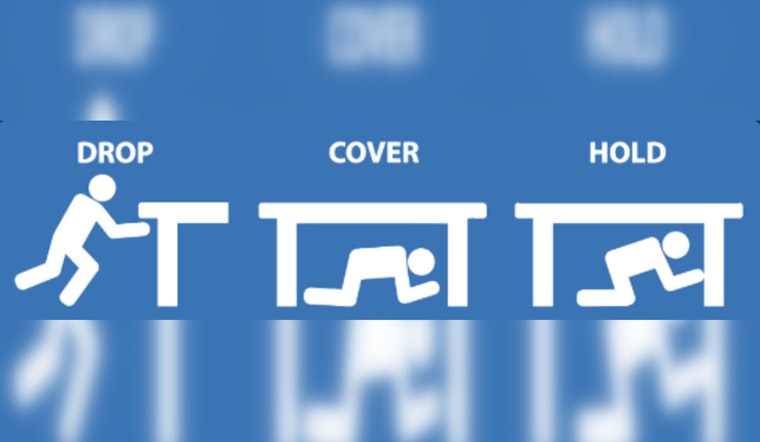
When an earthquake hits, the adage 'drop, cover, and hold on' can be a lifesaver – something OEM strongly advises, along with staying indoors away from windows and not using elevators, if you find yourself inside during the quake. For those caught on the road, pulling over and staying in the vehicle until the tremors cease is crucial, as detailed by the Oregon Department of Emergency Management.
Post-earthquake recommendations further emphasize safety and recovery: checking for injuries, inspecting homes for damage, and staying informed through emergency broadcasts are all critical first steps after the shaking subsides. Helping neighbors and documenting damage for insurance claims are also pivotal, as is being prepared for aftershocks, which can further exacerbate a dire situation.





