

























































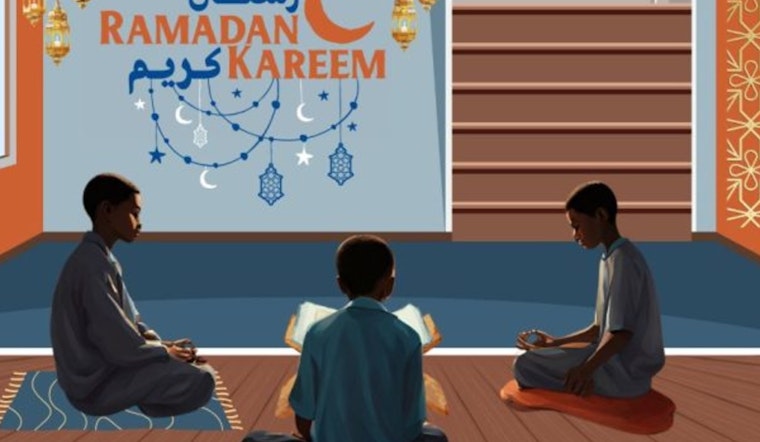
As the month of Ramadan approaches, the focus turns to the unique needs of Muslim youth in residential placement. Observing this period can pose logistical and spiritual challenges for these young individuals, as they seek to uphold their fasting and prayers within structured, and often non-accommodating, environments. Recognizing the significance of Ramadan, which is not only a time for fasting but also for self-reflection and strengthening community bonds, is crucial for facilities looking to support their residents.
Noting the approach of Ramadan on February 28, 2025, facilities face the task of adjusting to the needs of Muslim youth. Seen through the perspective given by a recent article published on Philadelphia's official government website, they are nudged to move beyond mere compliance when accommodating religious observances.
In terms of practical support, along with adjusting dining schedules for suhoor and iftar, placement facilities are encouraged to provide culturally appropriate, halal food options and to be sensitive to religious practices during this sacred month. These steps are not just acts of policy, they affirm the identity and well-being of these youth. As mentioned in the same government article, "Allow youth to wear religious or cultural attire, such as hijabs (headscarves) or thobes (traditional robes), as long as it aligns with safety policies," thus allowing a balance between cultural practice and facility protocol.
Education of the staff is also paramount in fostering a Ramadan-friendly environment. Through cultural competency training on fasting, prayer, and other practices emphasizing empathy, staff can become truly supportive of the youth's spiritual journey. This education allows them to understand how fasting may affect energy levels and the necessity for modified activity schedules. Moreover, acknowledging that youth will need additional bathroom access to perform cleansing rituals before prayers opens the door to a more considerate and inclusive residential experience.
The need to create connections is also significant. Encouraging group iftar meals or Ramadan-related activities can mitigate feelings of isolation. In their coverage of the topic, the Philadelphia government publication suggested, "Partner with local masjids, Muslim organizations, or mentors to offer spiritual guidance, provide a sense of shared faith, and create opportunities for youth to connect with their faith community." This is instrumental, not only for personal growth but also for maintaining the spirit of community that is such a vital aspect of the holy month.
Complying with legal protections in Pennsylvania, these facilities must respect and uphold the religious freedoms of their residents. This includes allowing them to practice without discrimination, ensuring opportunities for religious participation, and addressing grievances concerning religious rights, as clarified in the state's regulations.




