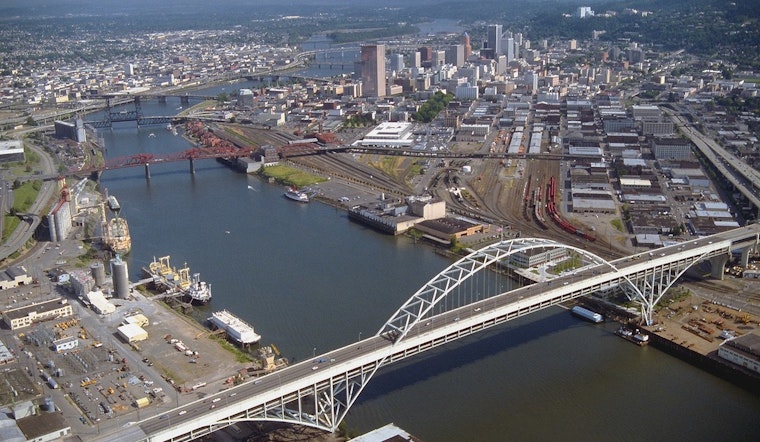
The City of Portland has issued a Combined Sewer Overflow (CSO) advisory for the Willamette River, warning residents of increased bacteria levels due to heavy rain that has prompted the mixture of stormwater and untreated sewage to enter the river. This particularly affects those downstream of the Ross Island Bridge, with potential expansions of the advisory if conditions deteriorate.
City officials recommend that the public avoid contact with the river's waters during the CSO event and for 48 hours thereafter, to minimize health risks. According to the Portland's Bureau of Environmental Services, this is a precaution against the heightened bacterial content that comes with a CSO, which is comprised of approximately 80 percent stormwater and, 20 percent raw sewage.
CSO occurrences have significantly decreased since the completion of the Big Pipe project in 2011. This infrastructure upgrade was a 20-year long endeavor, charged at $1.4 billion, with the aim of curtailing CSO incidents. "Since completing the Big Pipe project in 2011, the 20-year $1.4 billion program to reduce overflows, the number of CSOs has dropped by 94 percent to the Willamette River and 99 percent to the Columbia Slough," says a statement on the city's official website.
Historically, the Willamette River experienced CSO discharges up to 50 times a year, but thanks to Big Pipe implementations, they now occur on average four times during winter and once every third summer. The system includes various enhancements like disconnected downspouts and the introduction of large underground conduits that convey excess water to North Portland's main wastewater treatment facility. This recent overflow is the river’s first since January 2024, pointing towards, the effectiveness of the infrastructure in place. Interested parties can track the overflow using the Big Pipe Tracker available online.