

























































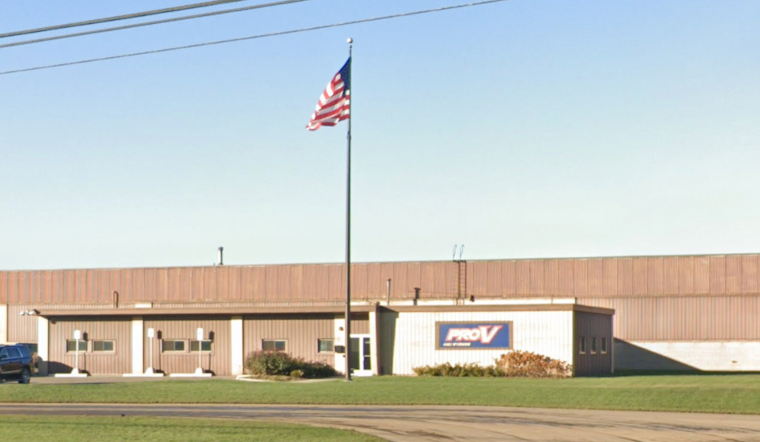
The Southend industrial waste processing stalwart, Pro-V Enterprises, has committed to a hefty environmental investment following a beefed-up settlement with the City of Dearborn. On the heels of a lawsuit citing repeated infractions of local air quality ordinances, the facility will funnel up to $4 million into environmental upgrades by mid-2025, according to an announcement from the City of Dearborn. The investment aims to slash the spread of fugitive dust, a byproduct of industrial operations that's been plaguing the Southend community for years.
In a legal face-off that began back in April 2023, the City of Dearborn clamped down on Pro-V Enterprises for its failure to contain hazardous waste dust within its operational bounds, despite existing regulations. The initial outcome? A $1 million pledge from the company in July of the same year to enhance its trucking routes and scrap processing tactics, fouling the air less and less with each truckload of waste. Now, with the revised agreement in play, the improvement bill could quadruple, as the City of Dearborn reports.
Mayor Abdullah H. Hammoud hailed the revised legal agreement as a landmark in corporate accountability. "This is yet another important step in holding corporations responsible for environmental damage and public health impacts," Hammoud said, as per the City of Dearborn. He underscored the significance of these improvements for the Dearborn residents, particularly for those who've long endured the brunt of industrial air quality degradation.
Upgrades on the horizon for Pro-V Enterprises include the planting of 91 evergreen trees along a 1,360-foot stretch, a complete paving overhaul of waste storage areas, and a full replacement of its stormwater management system. These, coupled with mandatory annual inspections by Dearborn's Engineering Department, are aimed at delivering a comprehensive environmental turnaround. The additional costs, over what was originally agreed upon, are tied to installing a more robust water detention system, and extensive paving beneath the areas where waste piles up, which will convert approximately 75 percent of the site to concrete surface.



