

























































The City of Sacramento continues to battle its homelessness crisis, releasing weekly updates on its efforts to the public. For the week of February 10-16, the City's Incident Management Team (IMT) took steps to address the issue, as reported by Sacramento City Express. Residents contacted the City's 311 customer service 792 times with concerns regarding unsheltered neighbors.
Of those calls, the IMT successfully managed to close 654 cases quickly. This closure indicates that a solution was found, compliance was ensured, or the reported issue was no longer present upon inspection by City staff. As detailed in the Sacramento City Express report, the Department of Community Response took significant action by enrolling 58 individuals into databases designed to connect them with shelter and resources, demonstrating a tangible step toward mitigation.
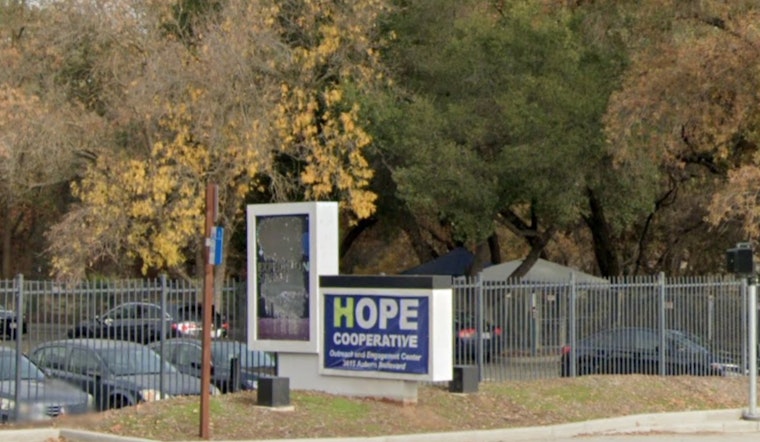
The outreach efforts extended further, with 29 individuals placed at the City’s Roseville Road campus or the Outreach and Engagement Center (OEC). However, as of Tuesday, no Pallet homes or trailers were available at the Roseville Road campus, and the OEC had just nine openings remaining. The number of available spaces in City-funded shelters, excluding the aforementioned facilities, averaged 16.
In addition to shelter focused initiatives, the City has been working hard to clean up areas affected by the homelessness crisis, with the Sacramento City Express reporting that a staggering 182,890 pounds of trash were removed during the week. To add to further engage the community in these efforts, Sacramento maintains a data dashboard, allowing interested parties to closely follow the progress made by the IMT. This resource dates back to September 2023, compiling cumulative statistics for outreach, compliance, and cleanup activities.
To explore the City's comprehensive response to the homelessness crisis and for more information on the weekly progress reports, residents can visit the Sacramento City Express's dedicated coverage on the subject. The weekly reports take a deep dive into the actions taken by local authorities to address the layers of this persistent and complex issue, providing transparency and accountability to the public eye.





