

























































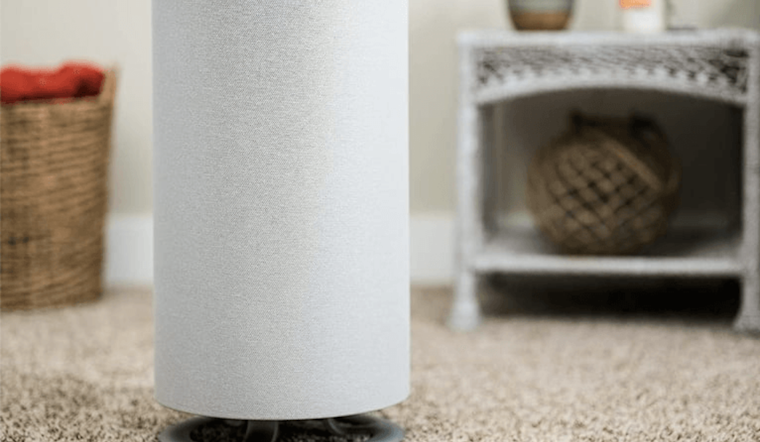
In a recent effort to combat the environmental repercussions of cross-border pollution, the San Diego County Air Pollution Control District has launched the Air Improvement Relief Effort (AIRE) Program, announcing the distribution of 10,000 air purifiers to households in the South County region affected by the malodorous consequences of untreated wastewater from the Tijuana River. According to The San Diego Union-Tribune report, this initiative prioritizes vulnerable populations, including families with children, seniors, and those closest to the pollution source. Eligible communities include Otay Mesa West, San Ysidro, Egger Highlands, Nestor, Tijuana River Valley, and Imperial Beach.
Paula Forbis, the district's air pollution control officer, expressed understanding of the crisis's impact on local quality of life, acknowledging that this multi-faceted issue is affecting the quality of life of South Bay communities, and stated the program's goal to offer relief to those most severely affected. The initiative, supported by AB 423, legislation aimed at strengthening local input in air quality decisions, intends to alleviate some pressing concerns arising from a situation that has prompted over 2,300 complaints about odors, a significant leap from the usual 800 complaints received annually for the entire county.
Residents can apply for an air purifier on the SDAPCD website and may have the option of home delivery or pick-up at future distribution events, with forthcoming details. The program benefits those who previously participated in the 2024 pilot program, as noted on the official program webpage hosted at the City of San Diego. Applicants for the AIRE Program must provide information such as name, address, and proof of residency to receive their air purifier and replacement filters.
To finance the AIRE Program, officials allocated roughly $2.7 million for the air purifiers and to compensate district staff managing the program, with the California Air Resources Board slated to reimburse these expenses. A smaller-scale effort in August showcased the demand for such measures, with the county expending $100,000 to distribute several hundred purifiers. This distribution strategy serves as a stopgap remedy while broader environmental strategies to repair wastewater treatment infrastructure are developed, an issue that has troubled residents and environmentalists extensively.





