

























































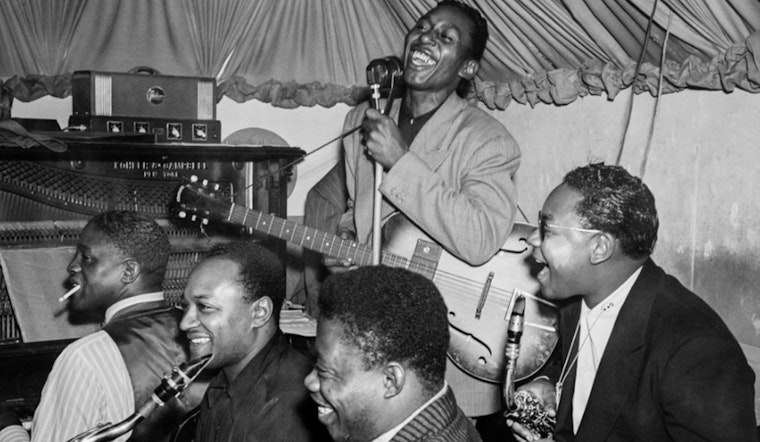
Seattle's Jackson Street is a beacon of jazz history, representing a time when segregation was widespread and people of color sought spaces of shared experiences and cultural expression. From the 1930s to the 1950s, the Jackson Street Jazz District flourished with a vibrant after-hours jazz scene, despite the city's redlining practices that excluded minorities from certain neighborhoods, according to a recent post on Front Porch. In a nod to the district's historical significance, the City of Seattle, commemorated the area with an official sign back in 2005, later revamping the tribute through the establishment of an online, self-guided tour spearheaded by the Jackson Street Jazz Trail Committee.
The walking tour, which includes 21 stops such as The New Chinatown, Ebony Café, and Rizal Hall, provides an immersive look into the past where legendary musicians like Quincy Jones and Ray Charles once performed. Visitors can also explore the recently enhanced trail through stories shared by Paul de Barros and Stephanie Johnson-Tolliver, who lead the Jackson Street Jazz Trail Committee and endeavor to keep Seattle's jazz legacy thriving. "I want people to remember, and I want people to get credit for what they did. Especially all these musicians who played on this scene," de Barros told Front Porch.
With the recent inauguration of the Washington State Black Legacy Institute on February 1, 2025, jazz enthusiasts now have a new destination to explore—the Jackson Street Jazz exhibit, where they can delve into the photographs and stories of the district's golden age. Moreover, an artistic nod to the area's female jazz influences is in the works with a signal box art wrap at 7th Ave S and South Jackson St. "My concern is, who is that history keeper that comes after me?" Johnson-Tolliver expressed in an interview with the Front Porch. She stresses the importance of maintaining, sustaining, and the narrative alive so it will never fade away.
While much of the district's history has been preserved, Johnson-Tolliver believes there's room for growth. The committee envisions integrating audio recordings into the walking tour and expanding the number of sites, such as the Blue Note and Ayers Café. "I absolutely love the stories," Johnson-Tolliver says, eager to incorporate more locales that once thrummed with music and camaraderiem as per the Front Porch.




