

























































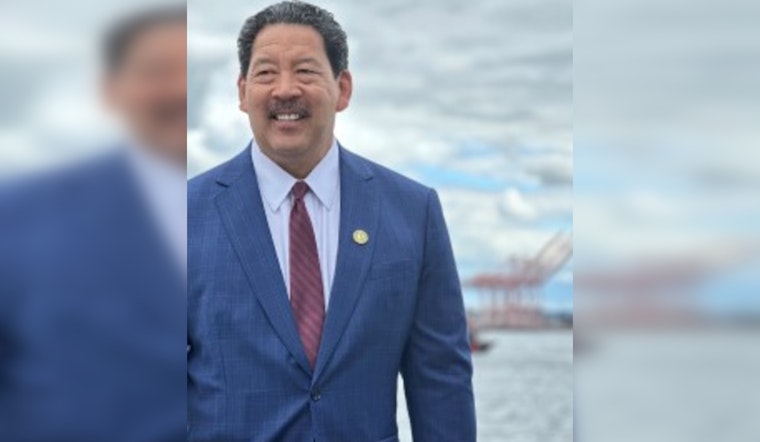
Seattle Mayor Bruce Harrell has recently signed off on an executive order aimed at breaking down barriers within city communications. Harrell's directive ushers in Seattle’s very first plain language initiative, which promises to simplify public information and bolster accessibility, especially for individuals with disabilities and those with limited English proficiency. In a statement on Seattle's government website dated February 21st, Harrell articulated the need for this strategy not only as a step toward inclusive good governance but also in anticipation of the influx of international guests for the FIFA World Cup coming to Seattle in 2026.
"Clear and accessible public information is a core responsibility of government," Harrell was quoted as saying in a move designed to overhaul how essential services and information are conveyed to the city's residents. People navigating the labyrinth of government contours will find solace in this new order, which responds to the long-standing criticism that public sector communications too often wind their way into an indecipherable tangle. The shift towards a plain language plan attempts to meet the federal standards for accessibility, signaling a touchstone moment for the city's administration as they strive to reach the diverse tapestry of Seattle's communities.
According to the official announcement, a comprehensive One Seattle Community Communications Strategy lies at the heart of Harrell's executive order. The importance of this strategy is punctuated by the forthcoming FIFA event, a globally significant occasion that will transform Seattle into an international hub, necessitating communication pathways befitting of such a stage, which is designed not only for those from afar but also, crucially, residents at home.
Beyond mere rhetoric, the strategy is set to be a transformative exercise in reaching out. As described by Mayor Harrell, “Our administration is committed to advancing good governance and meeting people where they are." Deep-seated issues within the intersection of language and public access are set to be addressed, confronting a legacy where complicated government prose has been an unwelcome gatekeeper between services and citizens. This new initiative signifies a pledge to unweave the complex web of city bureaucracy, as Seattle aspires to become a model of clarity and access in municipal communication.





