

























































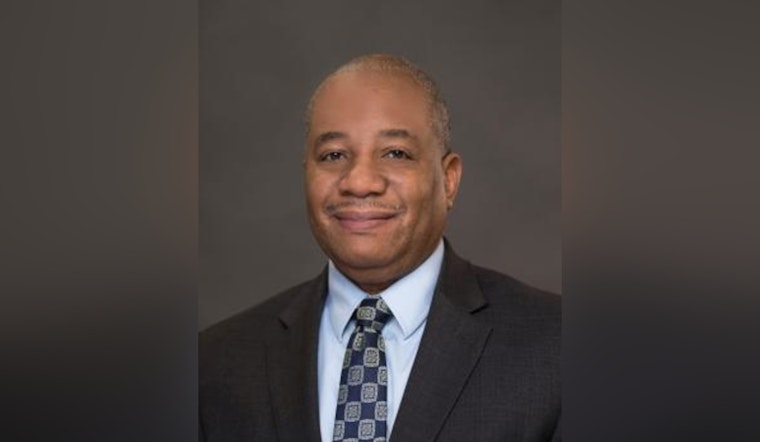
Superintendent Maurice "Mo" Green and the North Carolina State Board of Education are on the same page when it comes to what North Carolina schools need. In a recent meeting this February, both parties have put forth a joint legislative agenda which emphasizes a list of priorities looking to shape up the future of public education in the state. According to the North Carolina Department of Public Instruction's press release, the unified front aims to address educational excellence from various angles, including educator pay, school safety, and academic support.
Key amongst the shared agenda items is the support for students still reeling from the aftereffects of Hurricane Helene in the western part of the state. "It is well known that education is the greatest equalizer of lifelong success," Green said on the North Carolina Department of Public Instruction, touching upon the importance of sufficient funding for educational systems. Despite such importance, the NCDPI and SBE are pushing for a moratorium on the automatic expansion of the state's Opportunity Scholarship Program – a move meant to redirect more funding to public schools.
The budgetary asks from Green are split into four core categories: Student and School Support, Academic Support and Coaching, Technology, and Compensation Pathways. Each category represents an area of growth, with initiatives like no-cost school meals, increased support for exceptional children, and resources to support mathematics instruction. Identified by the SBE and Green, the categories were conceived to better prop up the state's educators and students alike.
In the vein of recognizing the complex nature of administration, one highlighted priority is reforming the principal pay plan to add stability and acknowledge the difficulties inherent in managing schools of varying sizes and challenges. "On behalf of my colleagues on the NC State Board of Education, I’m delighted to submit joint legislative priorities with Superintendent Green for the benefit of North Carolina public school students," SBE chairman Eric Davis told the press on the North Carolina Department of Public Instruction website. Green and the SBE's plans lay a foundation meant to uplift the education sector's condition in its entirety.
Additional policy changes have been proposed, tailoring the public education system to be more flexible and responsive. These include granting public schools increased calendar flexibility, dropping the testing requirement for admission into educator preparation programs and shielding schools affected by Hurricane Helene from funding losses due to enrollment drops. The plans for these legislative priorities and budget proposals were the result of discussions with education stakeholders conducted earlier this year. While these proposals clearly chart a path towards "Achieving Educational Excellence," they await further refinement set to follow the "Mo Wants to Know" listening and learning tour, which will culminate in a new NCDPI strategic plan, as mentioned on the North Carolina Department of Public Instruction website.





